Crucial role
Pioneering innovations
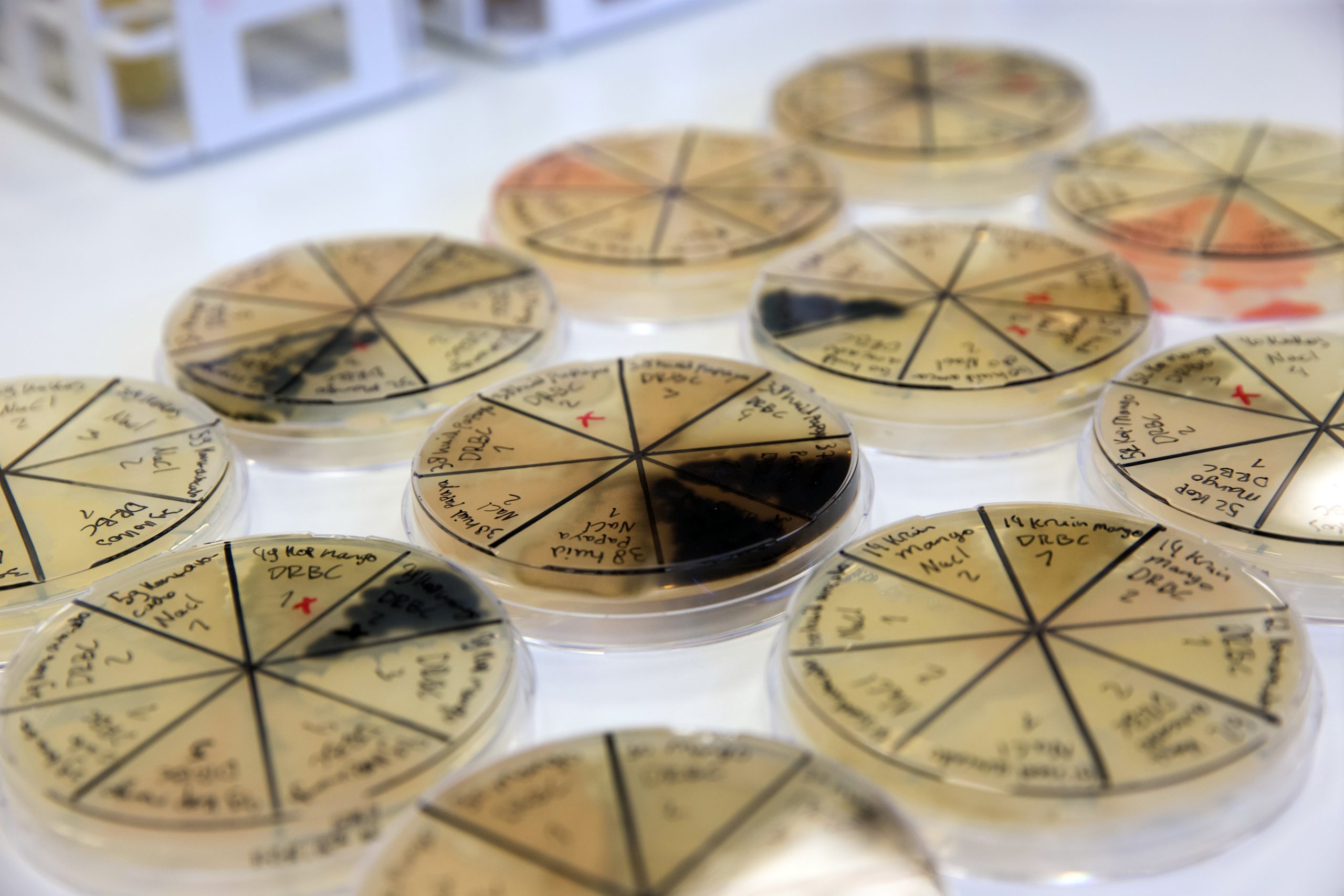
The Institute plays a crucial role in the identification, classification and conservation of fungal species. The collection consists of over 120,000 living fungal strains. The collection provides a rich breeding ground for groundbreaking innovations. Indeed, fungi are widely used because of their versatility and ability to produce various substances. Not only for food and drug production, but also for biotechnology and environmental management.
“After all, fungi are nature’s cleanup agents. The possibilities are endless. The more we know about the diversity of fungi, the better we can exploit them. There are a lot of compounds that are not yet known. It is estimated that there are millions of species.”
Unique collection
Treasury
Ferry continues, “We have been collecting fungi and yeasts for 120 years. It’s a treasure trove for the world for fungal conservation. We can see exactly how fungi adapt genetically.” The unique collection puts the scientific institution at the top of mycological research institutes worldwide dedicated to the study of fungi. "The collection is our strength. That is our heart of the institute. We are recording it for the future and want to disseminate our knowledge. Fungi are incredibly important."
Motivating students
Soil samples
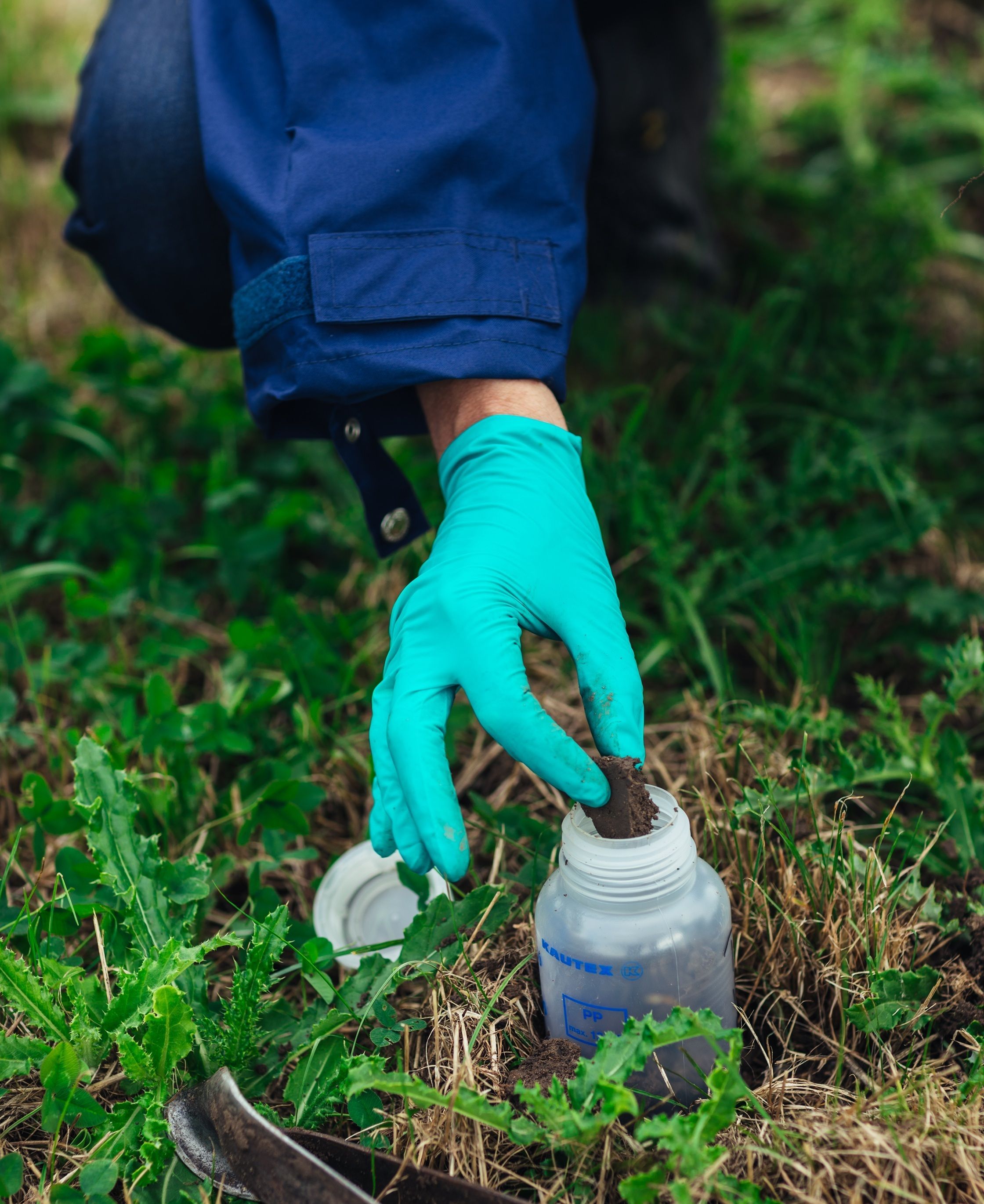
If a new fungus is discovered, the institute wants it in the collection. "We also motivate schoolchildren throughout the Netherlands to send in soil samples. We examine these in hopes of finding fungi. If we discover a new variant, it gets the child’s name. This research gives us more knowledge about biodiversity in the soil."
That knowledge helps to deal more sustainably with natural resources, improve the quality of food and ensure the health of the planet.
© Esther Meijer
Utrecht Science Park
The location at the Utrecht Science Park is an excellent base for collaboration with other knowledge institutions, research institutes, health care and companies.
“As a group leader for medical fungi, it is nice to be located next to UMC Utrecht, the Wilhelmina Children’s Hospital and the Hubrecht Institute. We visit each other regularly. We also conduct joint projects to improve diagnostics of pathogenic fungi, so how can you determine if someone has a fungal infection. Together we look at how to fight the fungus.”
Students
International attention
Furthermore, many students from all kinds of universities, colleges and mbo’s visit the institute. The institute also attracts international attention. “We have a colleague from abroad visiting us every month. They see what we do and can immediately visit UMC Utrecht. The Netherlands has built up a strong reputation in the field of diagnosing fungal infections using DNA techniques. We train people in that as well.”
Potential
Discover
Meanwhile, in the freezer lies another huge potential of fungi. “Thousands of fungi that have not yet been explored. We are tackling it step by step. If there were a research budget, we could really spend time on them. They might produce substances that we can do something with. That’s what’s so great about our collection. With us, you can discover something special every day.”
Ferry Hagen
Ferry Hagen is a molecular microbiologist at the Westerdijk Fungal Biodiversity Institute, which is part of the Royal Dutch Academy of Arts and Sciences ("KNAW"). He is the group leader of the department of Medical Mycology at the Westerdijk Fungal Biodiversity Institute, Utrecht, The Netherlands. He obtained his Bachelor’s degree in Molecular Biology at the HU University of Applied Sciences Utrecht in 2005, and a year later he started with his PhD project at the CBS-KNAW Fungal Biodiversity Center in Utrecht, The Netherlands. In 2011 he received his PhD degree from Utrecht University, and started a traineeship at the Canisius Wilhelmina Hospital to become medical molecular microbiologist directly after this. Since 2022 he is professor ‘Fungal Functional Diversity’ at the University of Amsterdam.