Practical education
Creators of society
ROC Midden Nederland is a vocational college that provides practical education to over 17,000 students. There are many courses to choose from: from hospitality worker to installation technician. And from performance artist to nurse. This school calls its students “the makers of society” because teachers motivate their students to contribute to their own neighbourhood, village, town or community while they are still studying. So you don't just learn a trade, you learn to care for your neighbourhood, especially if that neighbourhood is in need of help or even vulnerable. And it's not just students with a traditional care background who are committed to the (mental) health of residents, but students from all programmes.
Vitality Lab
Real-life education
Overvecht is a neighbourhood in Utrecht characterised by low socio-economic status, which means that the prosperity, education and labour market participation of residents is relatively low. Residents of this neighbourhood are therefore more likely to be affected by almost all risk factors for health problems, such as obesity and smoking.
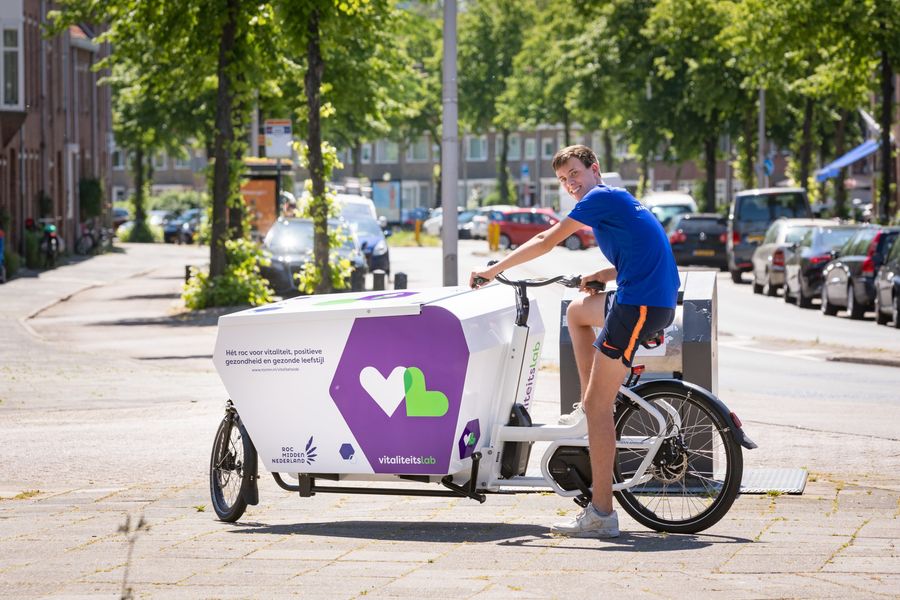
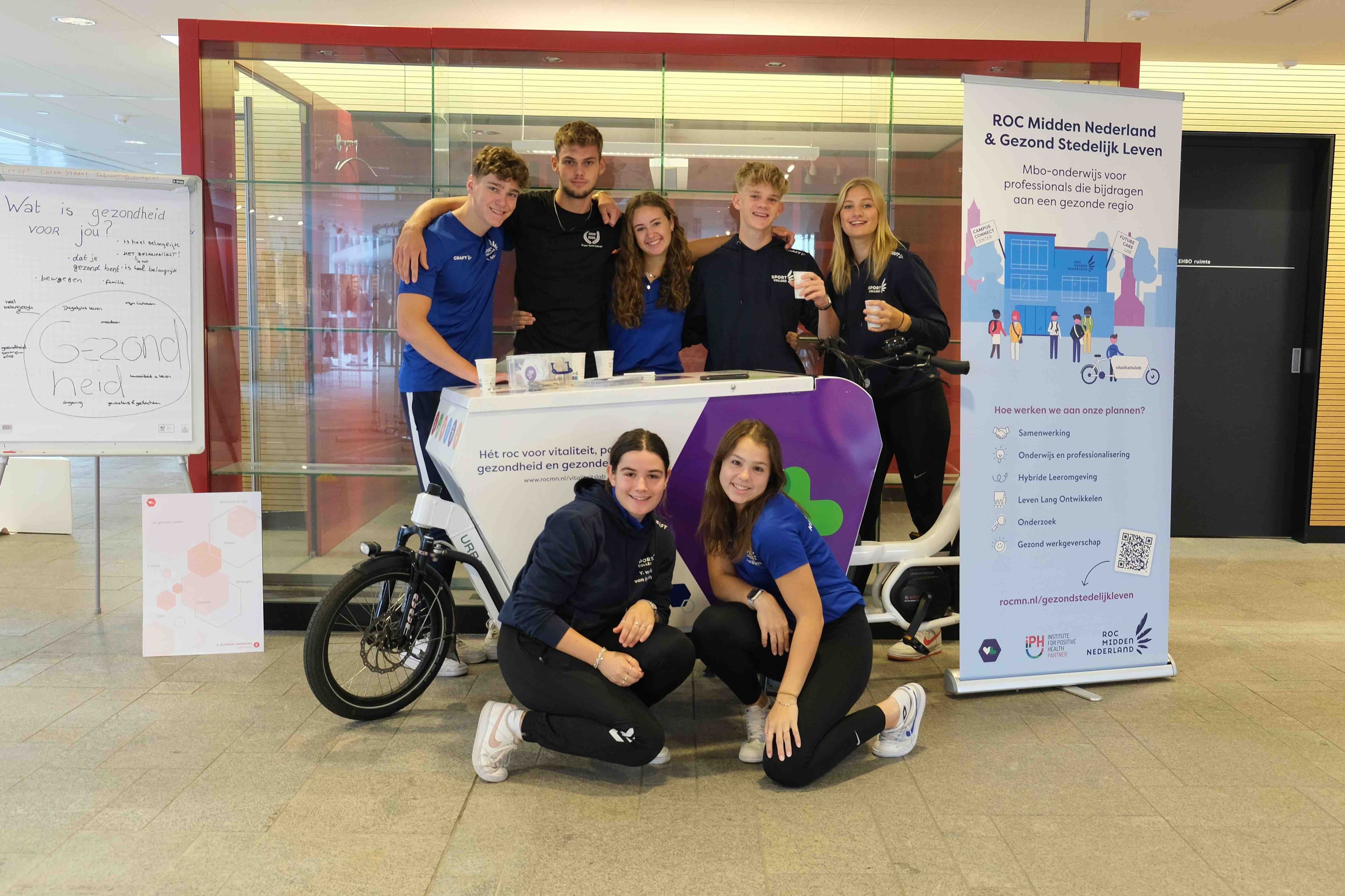
Students from the Sport College developed a mobile vitality lab especially for these residents. A cargo bike containing sports and games activities that make residents aware of their health. In addition to the cargo bike, we also created an “on-site” vitality lab. This lab is located in the Galgenwaard stadium and is freely accessible to residents of Utrecht. There, young and old learn to take control of their own well-being with practical and innovative interventions and games. In this way, we combine real-life education with promoting the health of all residents.
© ROC Midden Nederland
© ROC Midden Nederland
Help with paperwork
Future Care Lab
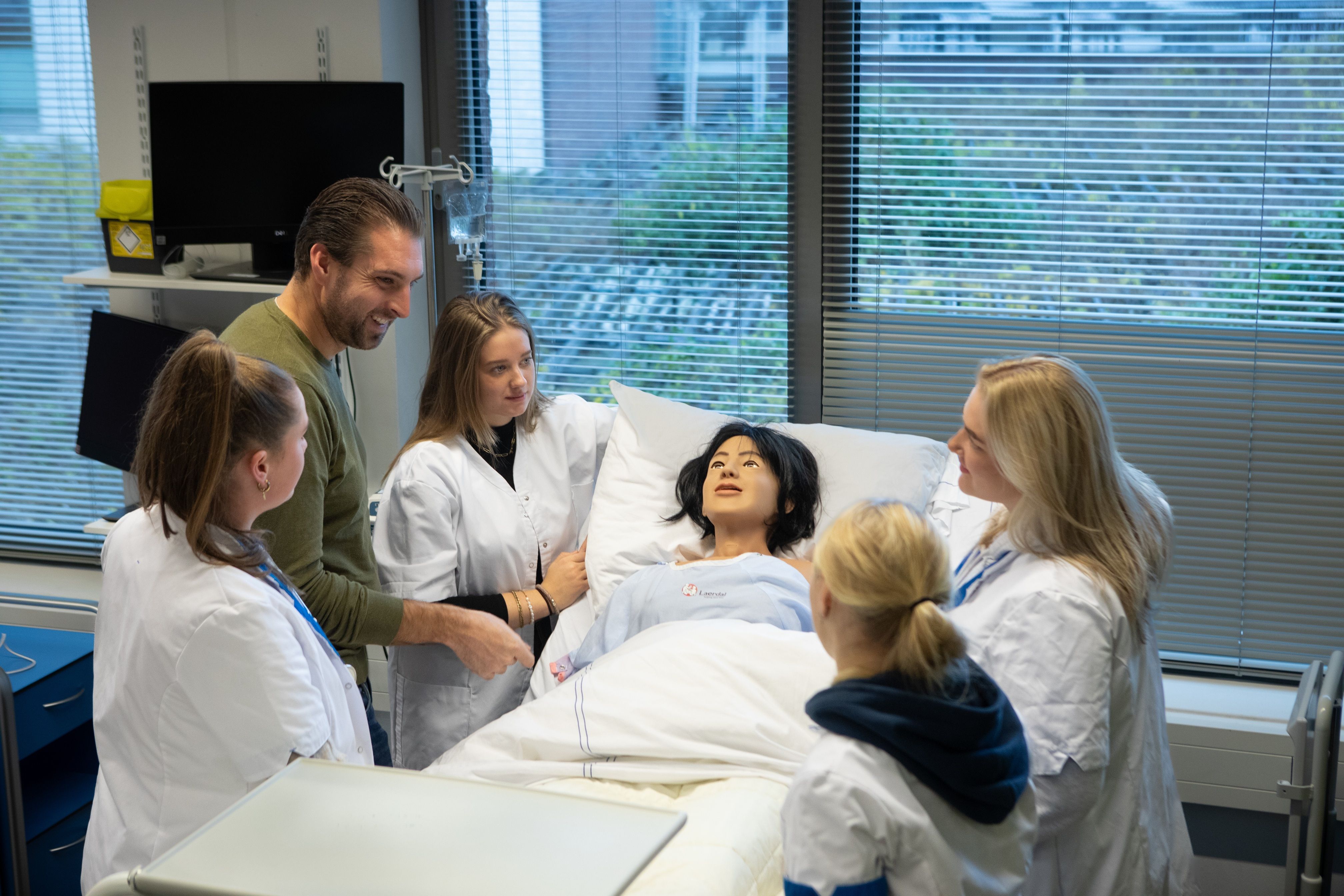
Money worries and falling behind with your paperwork: unfortunately, this is the reality for many residents of Kanaleneiland. Organisations such as insurance companies do their best, but their correspondence is often complex and requires a high level of language proficiency. Not every resident is digitally connected either. Students from the Business & Administration College help residents of Kanaleneiland navigate this “paper jungle”. With their own office – Loket 1 – in a shopping centre, they assist residents who need help. For example, with renewing their driving licence or applying for energy allowance. But also with all kinds of other administrative questions about, for example, renting or a complicated letter from the hospital. A little further on, on Vondellaan in Utrecht and on Maatweg in Amersfoort, are our Future Care Labs. In this modern learning environment, students and healthcare professionals learn everything about healthcare and technology. These labs allow them to practise without taking up the limited supervision capacity at healthcare institutions. At the same time, we teach them the essential digital skills they need to practise the current profession of nurse or carer.
Creators of society
Community Service
Johan Spronk is chair of the Executive Board of ROC Midden Nederland and explains why the contribution of “his” students is important and unique:
“Not only do we want to teach people a trade, but we also want to instil in them from an early age that they are part of a community. We teach them that “looking out for each other” and contributing to your own neighbourhood is fun. All initiatives focus on the mental and physical health of residents. We had been doing this for some time, but became really enthusiastic about rolling out this form of community service further during the coronavirus pandemic. During that period, there was a high demand for people who could vaccinate residents against COVID-19. Students and teachers at the Healthcare College put their heads together. It was decided to bring forward the vaccination lessons so that our students could start working at the vaccination locations much sooner. Together, we ensured that residents could be vaccinated against the virus more quickly. Thinking about health issues and coming up with solutions for them with practice-oriented students: that is the contribution of “our” creators to the heart of health.”
How can a school with 17,000 students make an impact on the health of more than 1 million residents in the Utrecht region? By truly involving students in their own neighbourhood. By making caring for each other fun and proudly placing them on a pedestal as creators of society.