Working together towards a healthy, sustainable society
Because only a healthy, sustainable society has a future. Utrecht, Heart of Health is the region in Europe that makes a maximum contribution to a healthy world.

-900x600.jpg)
Find stories in
Our pillars
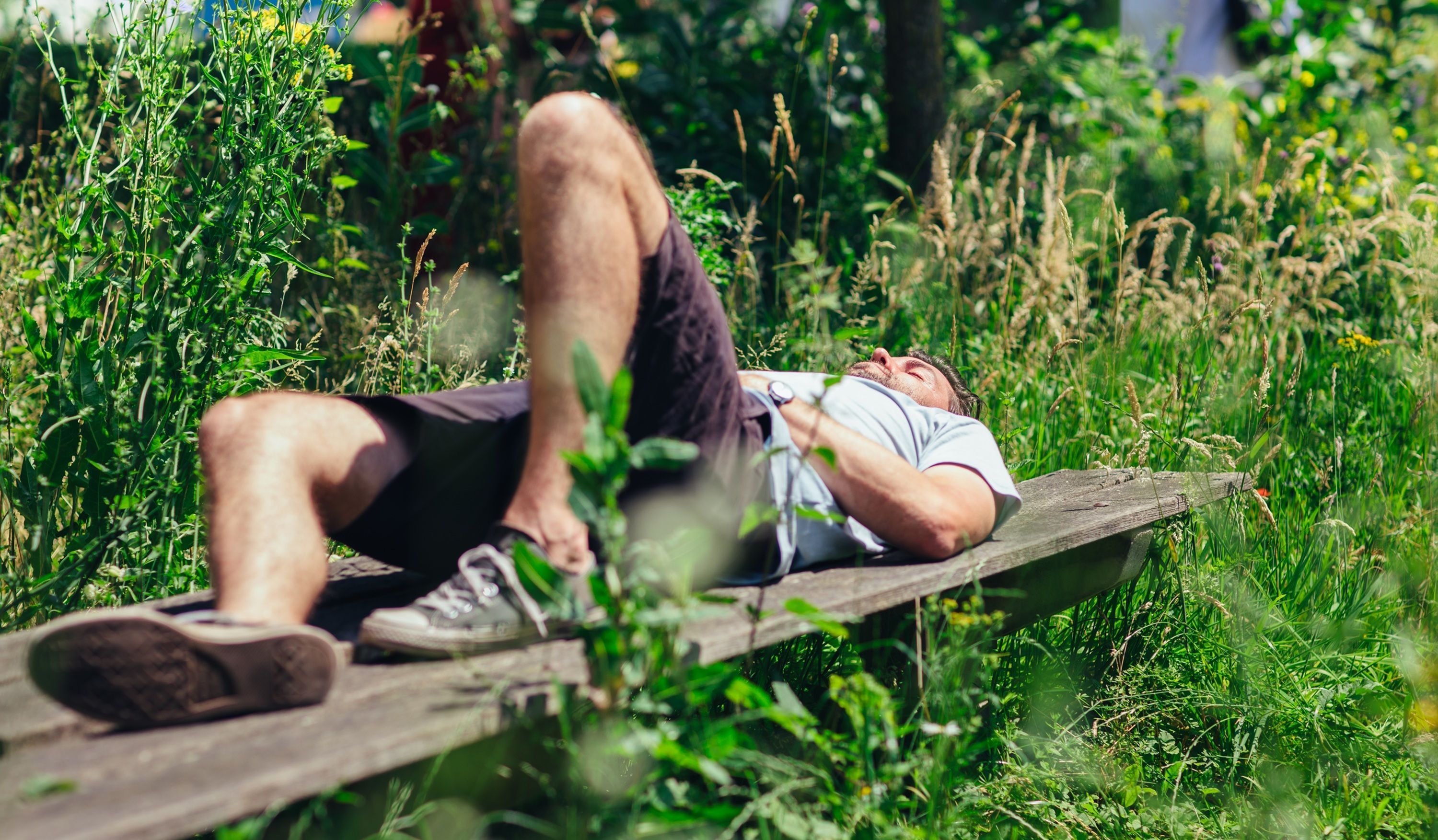
The strength of Utrecht's economy rests on three pillars: healthy people, a healthy living environment and a healthy society. Based on these pillars, the Utrecht metropolitan region and the Economic Board stimulate innovation and sustainable economic growth in the region through the three economic ecosystems Life Sciences & Health, Earth Valley and New Digital Society.
Healthy human
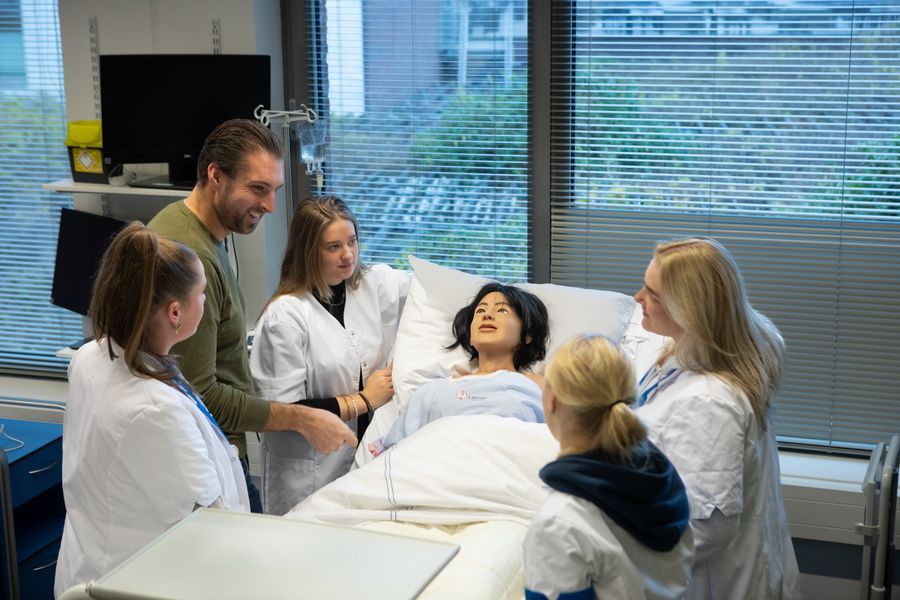
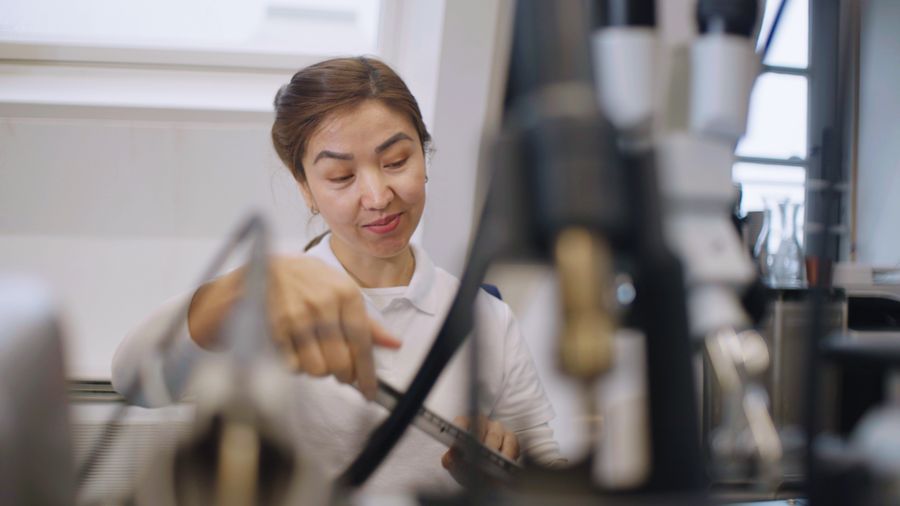
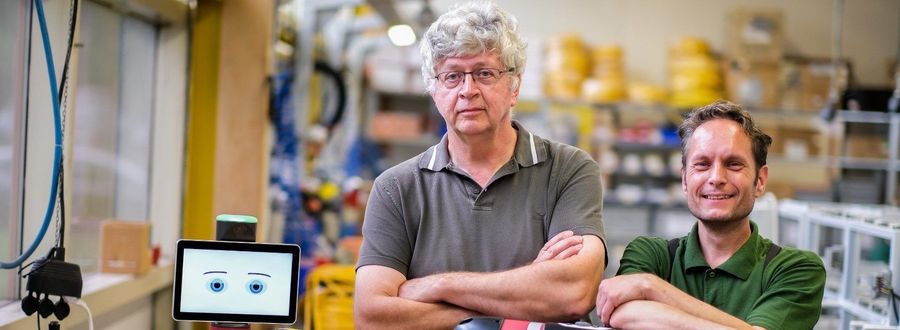
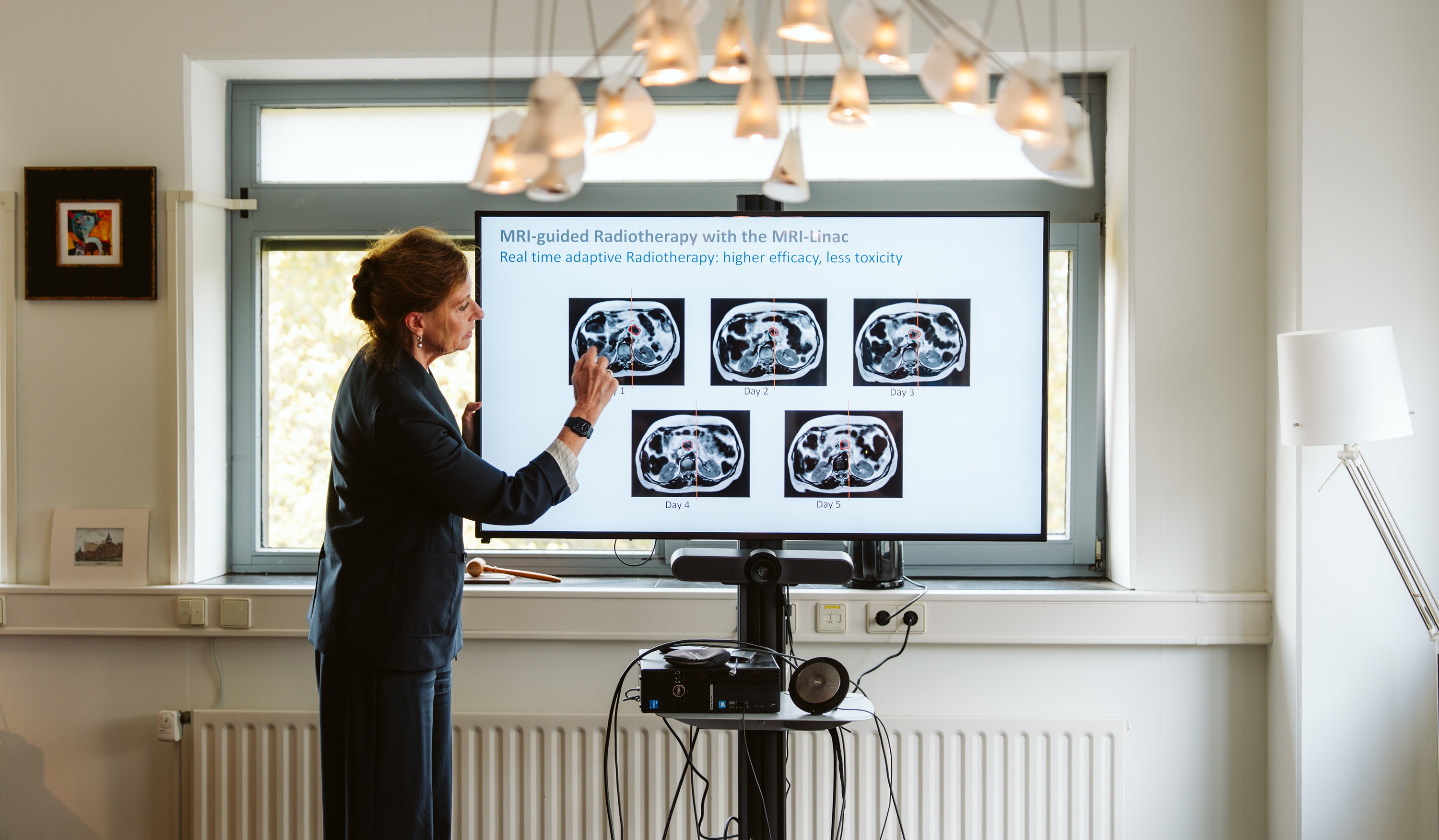
How can we ensure effective diagnosis and treatment of people with cancer or research into viruses to control pandemics, while at the same time the pressure on healthcare professionals is increasing due to labour shortages and an ageing population?
Healthy environment
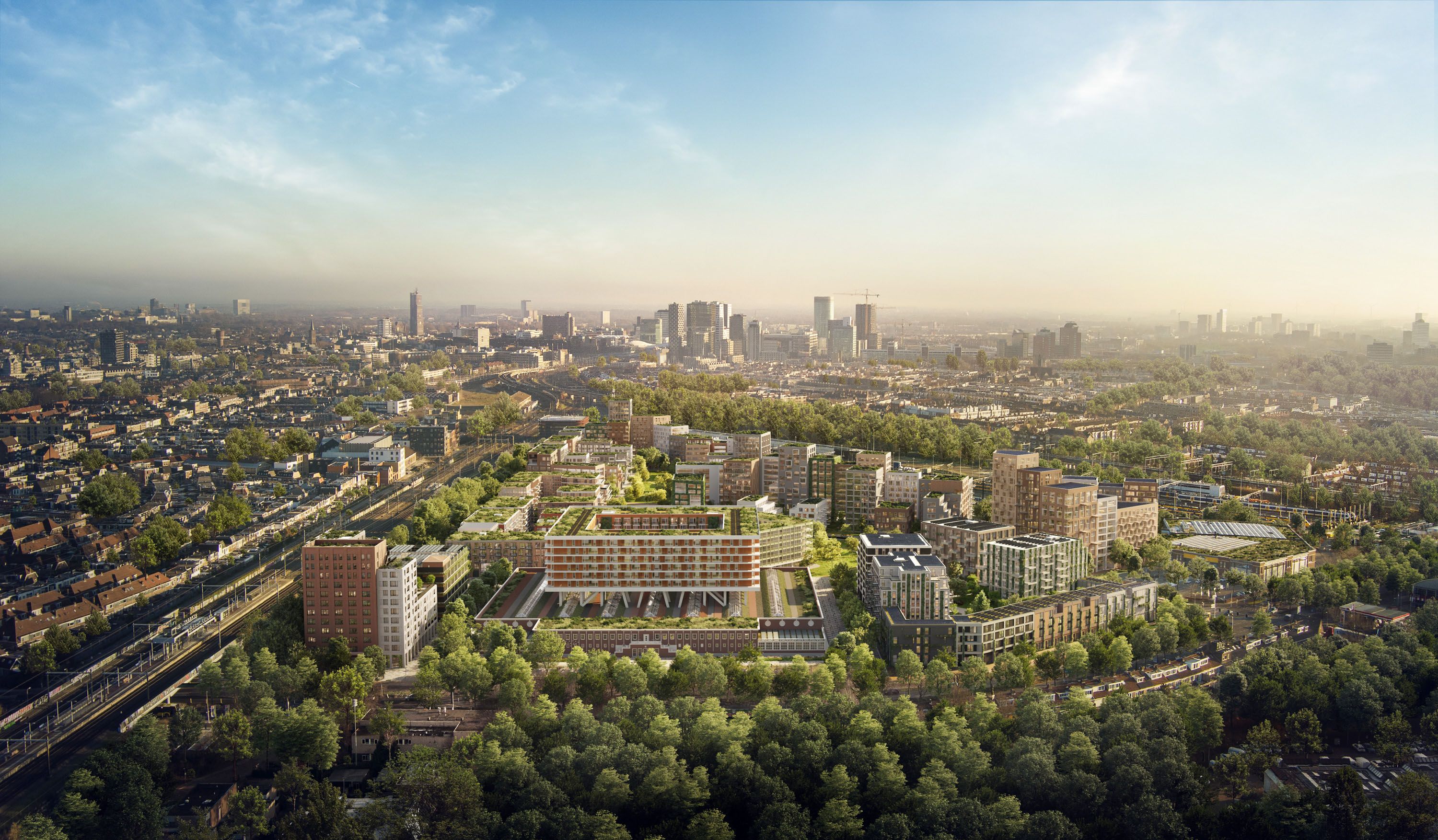
How do we keep people, animals and the planet healthy, especially in the context of ever-expanding urban areas?
Healthy society
How can we ensure the resilience, competitiveness and strategic autonomy of a healthy society in an increasingly complex world?
News
What is new(s) in Utrecht?
Innovation for Health comes to Utrecht in 2027
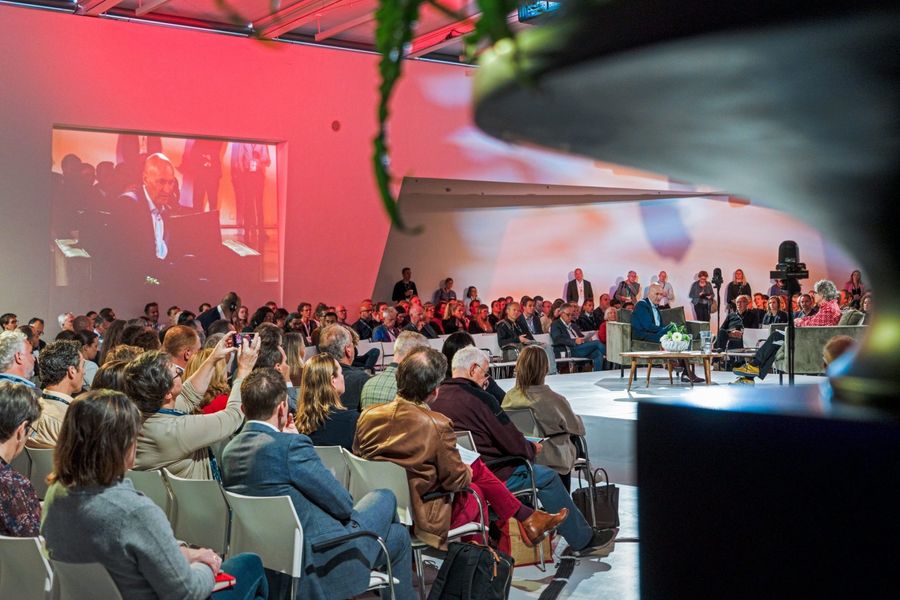
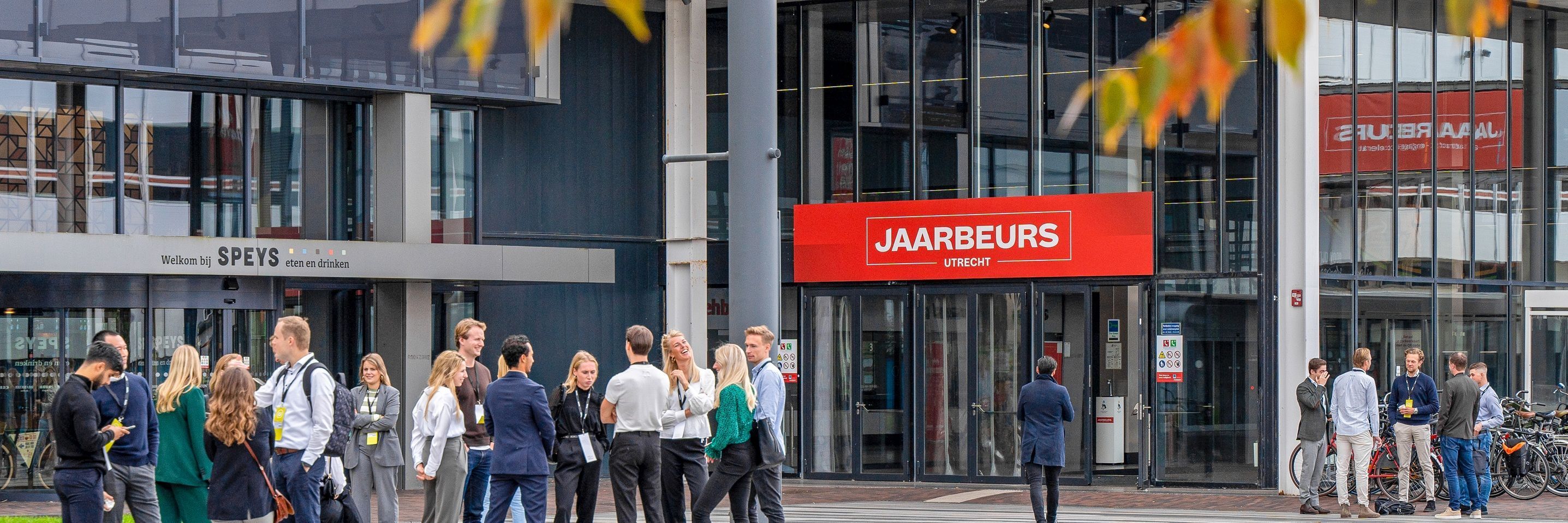
The next edition of Innovation for Health will take place on 11 March 2027 at Jaarbeurs Utrecht. Under the theme Transforming Healthcare Together, the conference will bring together researchers, entrepreneurs, healthcare professionals, investors, policymakers and other leading players from the Life Sciences & Health sector.Innovation for Health is the leading conference in the Netherlands for the Life Sciences & Health ecosystem. The conference provides a dynamic platform to discover the latest developments and innovations, showcase groundbreaking advances and connect with the people shaping the future of healthcare. With inspiring speakers, innovative solutions and plenty of opportunities to connect, Innovation for Health brings together decision-makers, investors, entrepreneurs and scientists to share knowledge, explore collaborations and create impact.In 2027, TOPX Summit will also join Innovation for Health. This collaboration offers participants the opportunity to connect innovation, entrepreneurship, science and the transformation of healthcare with themes such as leadership, diversity, equity and inclusion. By bringing the two events together, visitors can discover new perspectives, meet professionals from the Life Sciences & Health ecosystem and expand their networks. Taking place around International Women’s Day, the collaboration underlines the shared ambition to connect people and ideas and contribute to a stronger ecosystem where innovation and inclusion go hand in hand.A strong knowledge ecosystem, leading organisations and a central location with excellent international connections make Utrecht a natural meeting place for the Life Sciences & Health community. As the main sponsor of Innovation for Health, Utrecht, Heart of Health actively contributes to strengthening these connections and bringing together knowledge, innovation and entrepreneurship within the Utrecht and Dutch Life Sciences & Health sector.
EuroVelo 2026 come to Utrecht
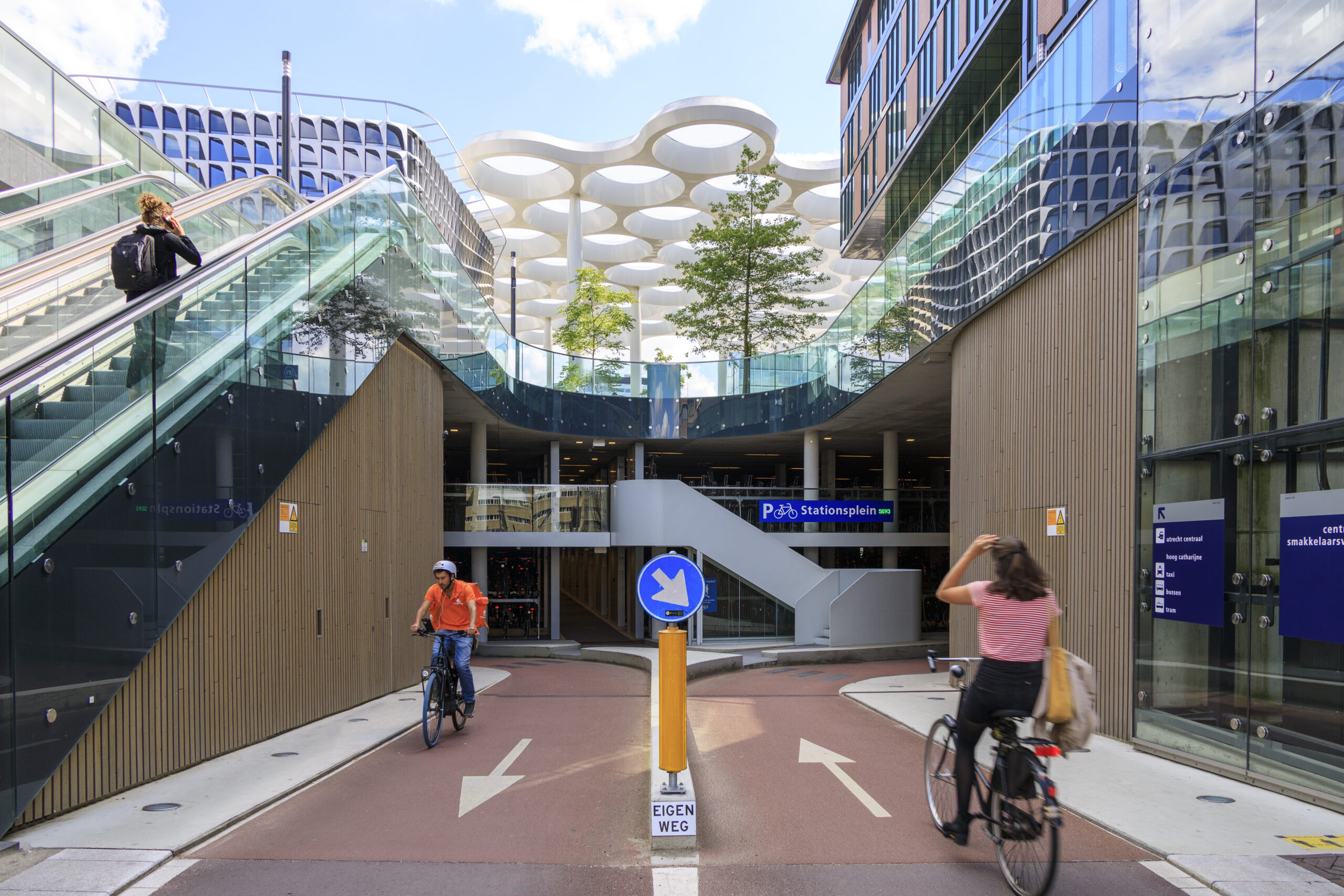
Utrecht is hosting Europe’s leading conference on cycle tourism during Dutch Cycling WeekArticle written by Jaarbeurs Utrecht.From 27 September to 4 October 2026, Utrecht will become the international centre of the cycling world during Dutch Cycling Week. One of the highlights will be the EuroVelo & Cycling Tourism Conference 2026, Europe’s leading conference on cycle tourism and recreational cycle routes. From 30 September to 2 October 2026, Royal Dutch Jaarbeurs, the Province of Utrecht, the Municipality of Utrecht and Utrecht & Partners will welcome over 400 experts, policymakers and entrepreneurs from around 40 countries.Utrecht as an international cycling regionFollowing previous editions in Izmir (Turkey) and Viborg (Denmark), the organisers have chosen Utrecht this year. As a result, the region will be at the centre of the European debate on the future of cycling for three days. It is no coincidence that the conference is coming to Utrecht. The region is internationally regarded as the prime example in the fields of cycling infrastructure, accessibility and cycling policy. Rob van Muilekom, member of the Provincial Executive of Utrecht: “The Province of Utrecht is proud to host the EuroVelo & Cycling Tourism Conference. We look forward to welcoming professionals from across Europe to exchange knowledge and practical experience on recreational cycling, cycle tourism and sustainable recreation. It is precisely this international cooperation that helps us to build the future of cycling.”International highlight of Dutch Cycling WeekThe EuroVelo & Cycling Tourism Conference forms part of Dutch Cycling Week, an international themed week in which governments, businesses, research institutions, trade associations and cycling professionals come together to discuss innovation, mobility, sport, health and the future of cycling. Jeroen van Hooff, CEO of Royal Dutch Jaarbeurs and co-initiator of Dutch Cycling Week: “We are proud that Europe’s leading conference on cycle tourism is part of Dutch Cycling Week this year. It underlines Utrecht’s international appeal as a cycling region and a meeting place for the entire cycling sector. In Utrecht, we bring together policymakers, entrepreneurs, researchers and innovators from across Europe to share knowledge and work towards the mobility, health and quality of life of tomorrow.”Utrecht as the Heart of HealthThe arrival of EuroVelo also ties in with Utrecht’s positioning as the Heart of Health. Cycling links health, accessibility, quality of life and sustainable tourism, and raises Utrecht’s international profile. Cor Jansen, Managing Director of Utrecht & Partners: “There’s hardly a better place to host a conference on the future of cycling than Utrecht. EuroVelo strikes at the very heart of what we stand for as a region: sharing knowledge, healthy urban living and welcoming visitors in a way that adds value to the city and the region. Here, we can showcase what Utrecht has to offer, but above all, bring together knowledge and ideas from across Europe to learn from one another.”The future of cycle tourismCycling tourism is growing rapidly worldwide. Governments and regions are increasingly investing in high-quality cycling infrastructure, international route networks and sustainable leisure activities. The EuroVelo & Cycling Tourism Conference will therefore focus on the theme ‘At the Beating Heart of Cycling’. Topics such as route development, digitalisation, AI, data, visitor management and public-private partnerships will be covered in detail. Participants range from policymakers and researchers to route developers, tour operators and representatives from the cycling industry.
Tiny Revelations exhibition in Utrecht
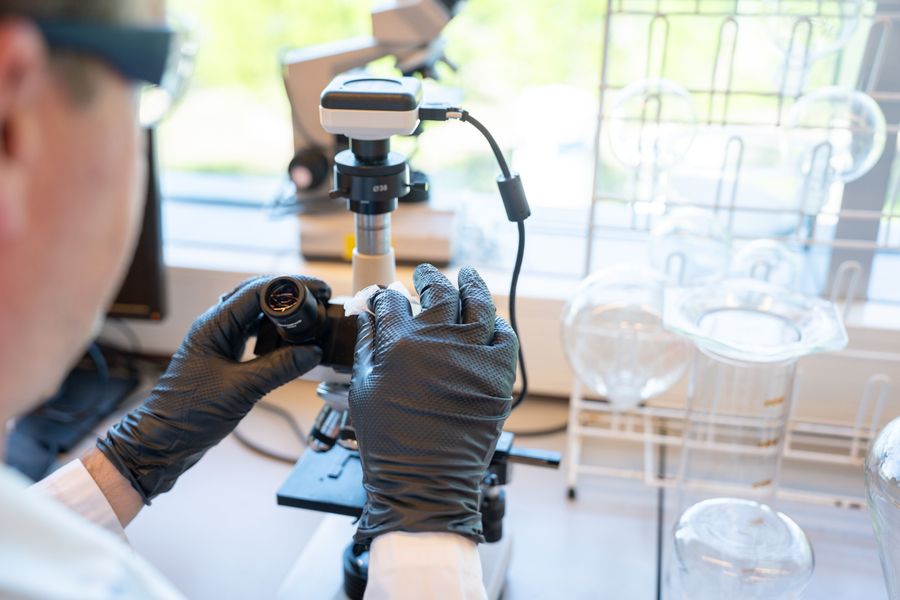
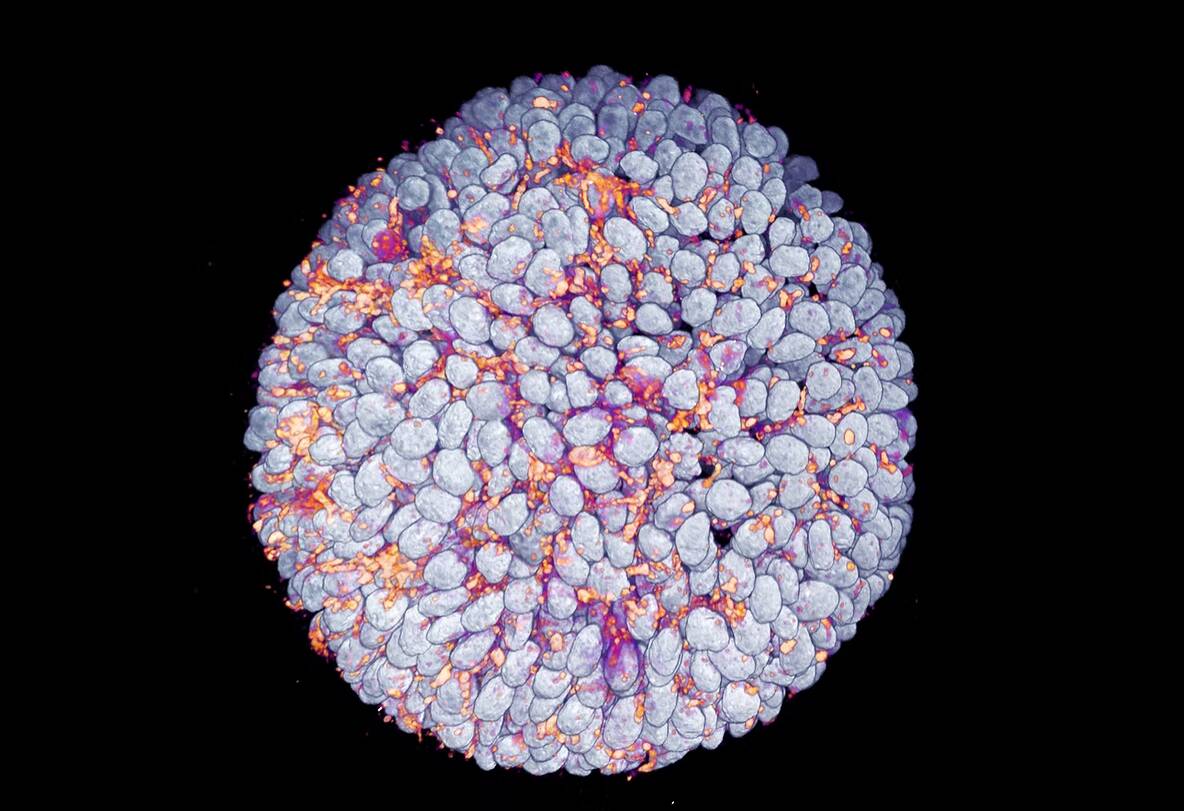
Tiny Revelations brings the invisible world of cancer research to life in UtrechtWhat does cancer look like under a microscope? And what can microscopic images reveal about the way tumours grow, cells behave and the immune system fights disease? These questions are at the heart of Tiny Revelations, a free microscopic art exhibition by cancer researcher Professor Anne Rios and her team.Rios, an Oncode Investigator, professor at Utrecht University and group leader at the Princess Máxima Center for Pediatric Oncology, wants to bring the world of cancer research beyond the laboratory. Combining striking microscopy images, personal stories and accessible scientific explanations, the exhibition offers visitors a glimpse into the hidden processes that researchers study every day.For Rios, microscopy is more than a scientific tool. It also reveals beauty, movement and life at the smallest scale.The exhibition connects science, art and philosophy, exploring topics including tumour growth, organ-like structures grown outside the body and immunotherapy. It also highlights the importance of curiosity-driven research: fundamental questions about how cancer works often form the foundation for future breakthroughs and new treatments.The exhibition is presented by The SuperNatural Foundation and will take place at the Nicolaïkerk in Utrecht.DetailsNicolaïkerk, Nicolaaskerkhof 8, Utrecht9 September, 20:00–22:0011–12 September, 09:00–17:00Free admission
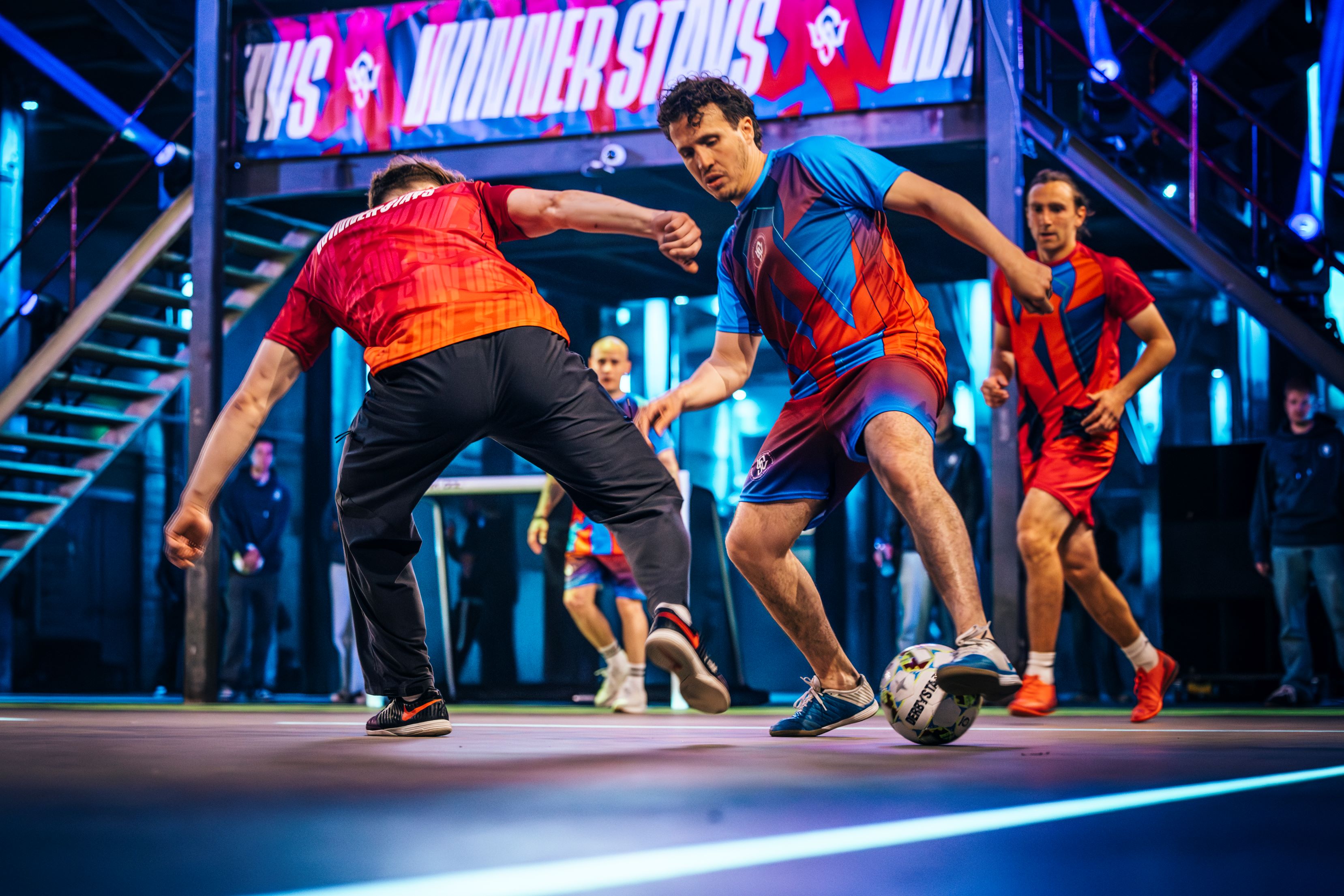
The ISFA 3v3 Street Football World Cup is coming to Utrecht
The World Cup that Dutch football fans can actually attend, and where the Netherlands are defending their titleWhilst millions of Dutch people watched the Football World Cup from the comfort of their sofas in a time zone that meant watching late into the night, this year there’s also a World Cup that’s closer to home. Much closer. From 2 to 4 September 2026, the ISFA 3v3 Street Football World Cup will take place on Jaarbeursplein in Utrecht. No flight to the US. No time difference. No expensive hotel, just hop on a train or even cycle to Jaarbeursplein.On 5 September, the world premiere of ‘Winner Stays’ will take place: a brand-new format that showcases what street football will look like in the future. Together, these four days make up Street Football Week Utrecht 2026.The ISFA 3v3 World Cup: 32 nations, one podium, the Netherlands as defending championsFrom 2 to 4 September, 32 nations will compete for the world title in 3v3 street football. It is the highest level of street football: national teams, made up of the best players from their respective countries, competing in a no-holds-barred knockout format.The Netherlands won the previous edition and will take to the pitch as reigning world champions. According to Jovan Gruban, board member of the International Street Football Association (ISFA), the fact that the tournament is being held on Dutch soil makes this edition particularly special: “The Netherlands has inspired street football culture worldwide. The ISFA 3v3 World Cup in Utrecht feels like bringing the game back to its true home. At a time when football is increasingly disappearing behind the scenes, we are bringing the culture back to the streets.”Edward van Gils is the most authoritative voice in global street football. A star of FIFA Street, founder of Street Kings, former Nike athlete, ISFA board member and ambassador for Winner Stays: he is the man who put street football on the map and will be there as a coach in Utrecht. Van Gils: “The Winner Stays format brings out the true spirit of street football. It’s just you, the ball and your feet, with the pressure that every goal is immediately decisive. That’s how we all started out. And that’s the feeling we’re bringing to Utrecht.”Winner Stays: the fastest football format in the worldOn 5 September, the day after the World Cup final, Winner Stays will make its world debut: a new format that takes street football to the next level. Whilst the World Cup is contested by national teams from 32 countries, in Winner Stays eight city teams will battle it out for the honour: New York, Medellín, Luanda, Tokyo, Amsterdam, Barcelona, Copenhagen and Milan.The rules are simple and ruthless. Four teams in a single match. A 20-minute countdown clock. Two teams on the pitch at any one time. If you score a goal, you stay on. If you don’t score, you’re substituted. There’s no goalkeeper, no half-time, no moment to catch your breath. The pressure is on the scoreboard and ticks louder with every second. Every touch could be the difference between staying in the game or going home.A World Cup accessible to everyoneThe FIFA World Cup in the United States is the biggest sporting event in the world, but for most Dutch people it’s out of reach. Flights, time difference, costs: you’ll be watching it from home. The ISFA 3v3 World Cup in Utrecht is the complete opposite. You’ll be right there in person. With the world’s best street footballers just a few metres away, in a pop-up stadium right in the heart of the city.Street Football Week Utrecht 2026 isn’t a substitute for the big World Cup, but it’s something the big World Cup can never be: football where you’re sitting just a metre from the pitch. During these days, there’ll also be a chance to literally get a kick of the ball yourself through football activities in the fan zone outside the stadium. An event for the true football fan.Sport as part of ‘Heart of Health’Events of this kind also fit perfectly with Utrecht’s regional positioning as the ‘Heart of Health’, where we are working together to build a healthy and sustainable society. This is not just about science and innovation, but also, for example, about the power of sport as a factor in creating a vibrant living environment. We are therefore delighted that Utrecht supports these kinds of wonderful events, which align well with the region’s ambitions. By connecting stakeholders, sharing knowledge and guiding them within the Utrecht network, we contribute to a strong business climate for both international business conferences and high-impact (sporting) events.
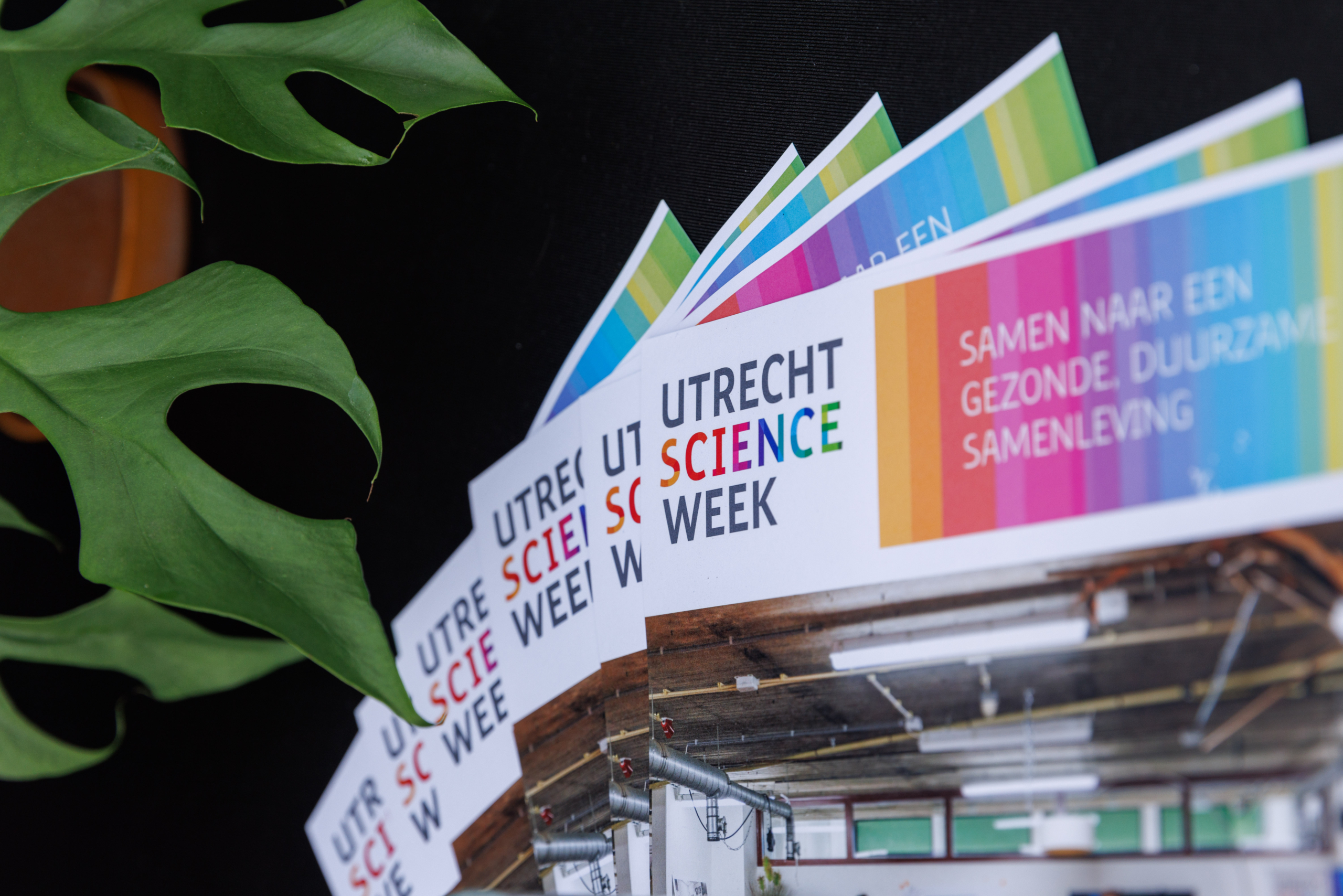
Opening Utrecht Science Week
Opening Utrecht Science Week with keynote by Juliette Legler on the hidden influence of environmental chemicals On Friday 25 September, the annual Utrecht Science Week will kick off at Utrecht Science Park. The official opening will feature the Utrecht Science Lecture, which this year will be delivered by Prof. Dr. Ir. Juliette Legler. Legler is Professor of Toxicology at Utrecht University, affiliated with the Faculty of Veterinary Medicine, and heads the One Health Toxicology research group at the Institute for Risk Assessment Sciences (IRAS).Influence of environmental chemicalsIn her lecture, Healthy Planet, Healthy People: Towards Solutions for a Polluted World, she takes the audience into the world of environmental chemicals. Juliette Legler and her team research how environmental pollutants like endocrine-disrupting chemicals and microplastics affect the health of humans, animals, and ecosystems. Environmental chemicals are all around us: in products we use every day, in food packaging and in the environment. Increasingly scientific research indicates that some of these substances can disrupt the hormone system. What does that mean for the health of people and animals? And how can science, policy and society contribute to a healthier living environment?By promoting connection across disciplines and sectors, her research has moved from diagnosing the problems towards working on solutions for a healthier future. These solutions include innovative chemical risk assessment approaches and the development of safer chemicals and materials.During her keynote, Juliette Legler shares the latest insights from the research and discusses the challenges and opportunities that this knowledge offers. Her story underlines the importance of science that not only produces new knowledge, but also contributes to solutions for urgent social issues. Program and registration for the OpeningThe opening of Utrecht Science Week 2026 will take place on Friday, September 25 in the Accelerator at Utrecht Science Park. Register now for the opening on September 25 via this link.DetailsDate: Friday, September 25, 2026Program:From 15:00 Arrival and reception15:30 Opening of Utrecht Science Week 2026 (by Utrecht Science Park directors)15:45 Utrecht Science Lecture 2026 by Juliette Legler16:45 Closing and drinksLocation: Utrecht Science Park, Accelerator (Uppsalalaan 17, 3584 CT Utrecht)Language: EnglishYou can register for the opening on 25 September via the Utrecht Science Week website.Week full of connection and discoveryWith this inspiring opening, Utrecht Science Week immediately sets the tone for a week full of connection, discovery, and conversation about the science of today and tomorrow. Researchers, students, professionals, and curious visitors are warmly welcome to be surprised by groundbreaking research and innovative ideas that contribute to a healthy, sustainable society.More information about the full program will follow soon via the Utrecht Science Week website. About Utrecht Science WeekFrom Friday, September 25 to Sunday, October 4, the sixth edition of Utrecht Science Week will take place, and Utrecht Science Park will open its doors wide to everyone interested in (applied) science. In collaboration with various partners of Utrecht Science Park, a varied program is being put together, featuring engaging lectures, interactive workshops, tours, and thought-provoking interviews centering on science at Utrecht Science Park, with a focus on the themes of ‘health’ and ‘sustainability’.
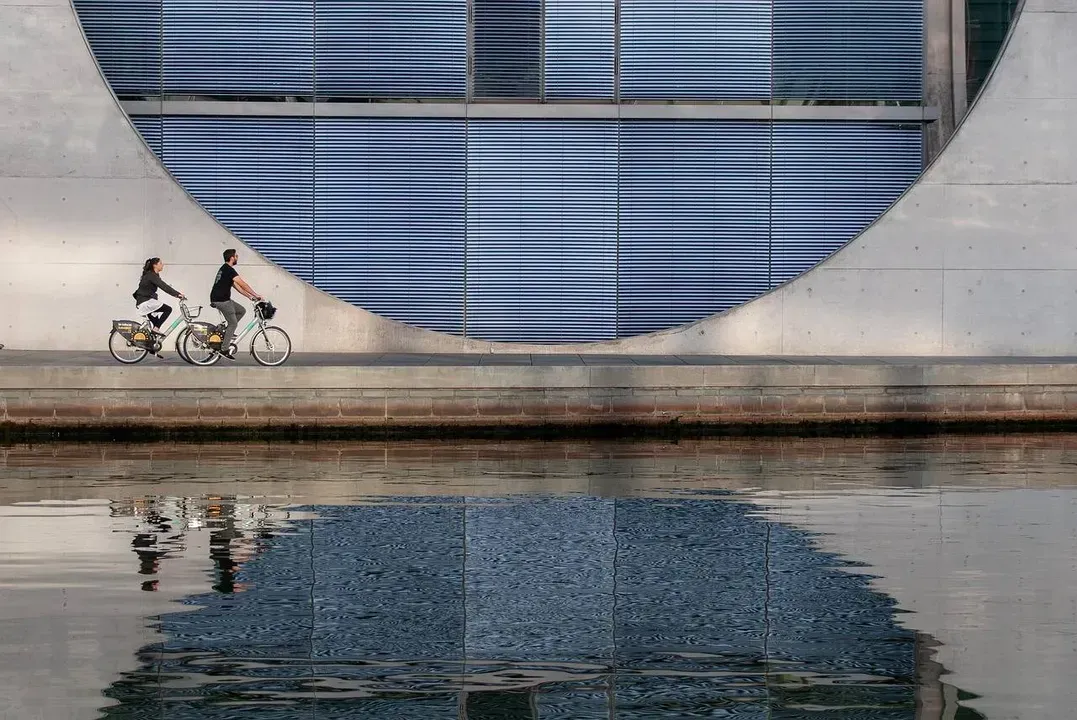
In the province of Utrecht, people most often cycle to work.
People who cycle to work are generally healthier, happier and more productive. More and more employers are encouraging this by offering cyclists a mileage allowance. Research by Nationale Vacaturebank, based on data from sources including the RIVM and IenW, shows that cycling is increasingly being rewarded financially. For example, 33% of collective labour agreements already offer an allowance for cycling less than 5 kilometres. That is 15% more than 5 years ago.The appreciation for cycling is also noticeable at the local level: in many municipalities, residents cycle to work, with the municipality of Utrecht leading the way in the province.‘Encouraging cycling is a win-win,’ says Sharita Boon, director at Nationale Vacaturebank. ‘Employees are healthier and take less time off work, and the environment also benefits.’Utrecht residents cycle to work most oftenNo less than 42.9% of Utrecht residents between the ages of 18 and 65 cycle to work or school. The percentage of residents who choose this sustainable mode of transport is higher than the national average of 37.9%. No other province scores higher. Limburg brings up the rear: here, “only” 38.6% of workers cycle.The municipalities of Utrecht and Houten most often opt for sustainable transportThe number of Utrecht residents who cycle to work or school varies greatly. The municipality of Utrecht tops the list: no less than 52.4% walk or cycle. This healthy habit is also popular in Houten and Bunnik. The top 10 municipalities where this sustainable mode of transport is most often chosen:· Utrecht (municipality): 52.4% cycle to work or school· Houten: 47% cycle to work or school· Bunnik: 45% cycle to work or school· Amersfoort: 42.6% cycle to work or school· De Bilt: 42.3% cycle to work or school· Zeist: 42.2% cycle to work or school· Veenendaal: 42.1% cycle to work or school· Woerden: 40% cycle to work or school· Nieuwegein: 39.5% cycle to work or school· Bunschoten: 39.4% cycle to work or school In Lopik, the proportion of residents who cycle to work or school is 31.1%, the lowest in the whole of Utrecht. In Vijfheerenlanden (31.9%) and De Ronde Venen (32.4%), the percentage of workers who cycle is also relatively low.Rainy year slowed growth in cyclingAfter years of growth, the number of employees cycling to work suddenly declined in 2024. Whereas in 2023, 47% of employees who lived nearby cycled to the office, this figure fell to 38% in 2024.One possible explanation for this is the weather. An analysis of KNMI data shows that the number of rainy working days in 2024 was significantly higher than in 2023. In April, the number of rainy working days was as high as 95%. It is therefore likely that people were more likely to take the car to avoid getting wet.‘The National Travel Survey shows that employees mainly choose their mode of transport based on distance, weather conditions and safety. A workplace close to home is preferred because it saves time on travelling. But the weather can also be a spoilsport. For example, when it rains heavily, we prefer to take the car or public transport,’ says Sharita Boon.
Utrecht can measure itself against San Francisco and Nairobi
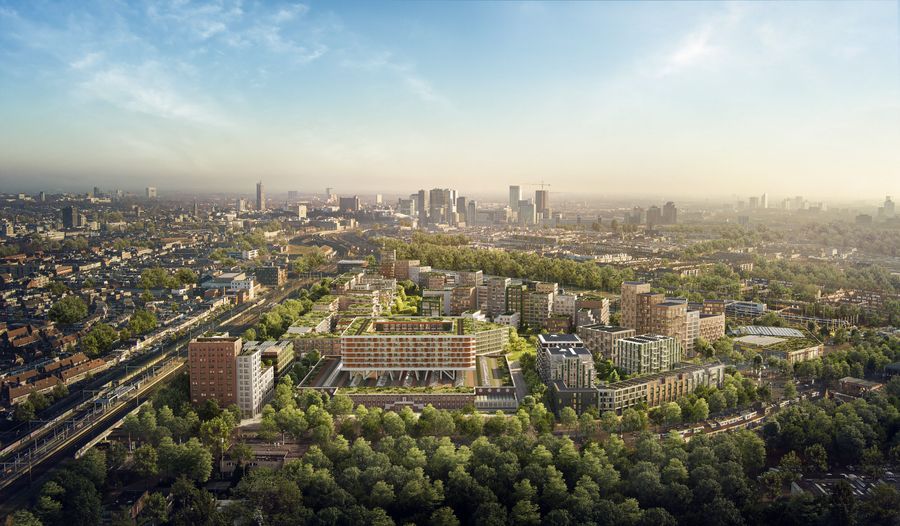
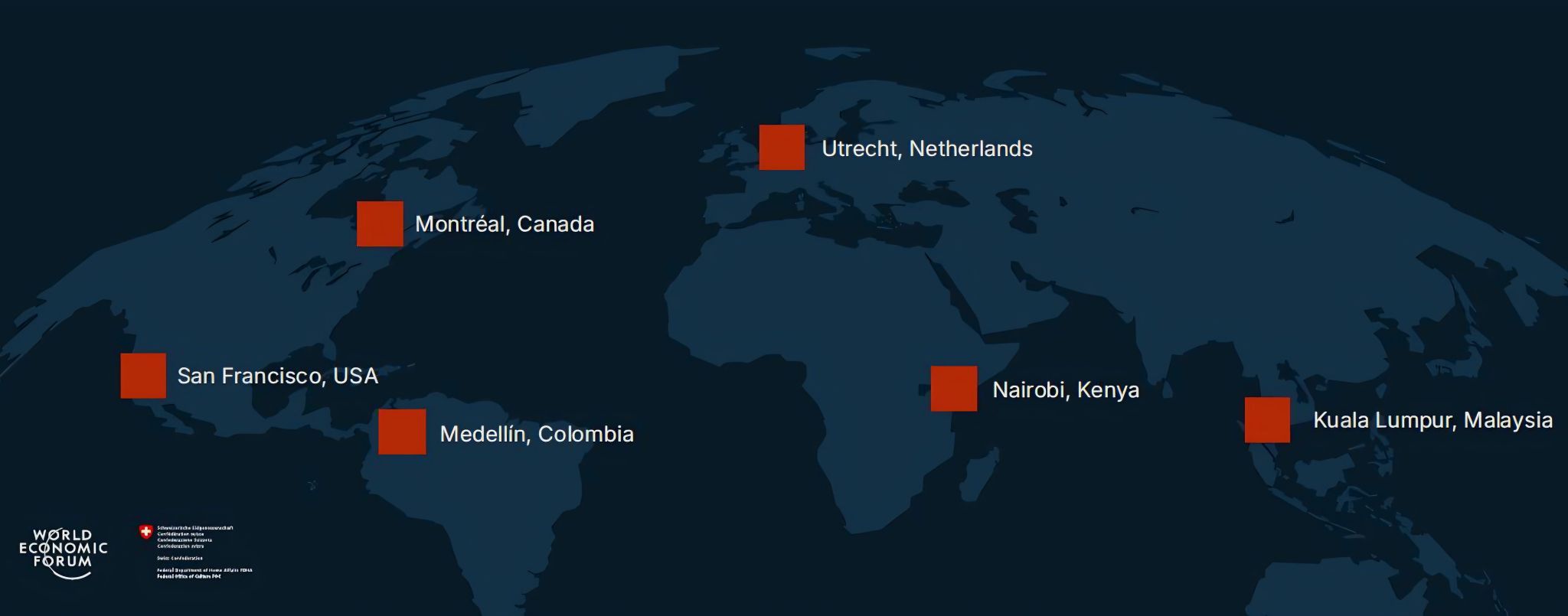
San Francisco, Kuala Lumpur, Nairobi – these are global cities that Utrecht can now measure itself against since this week. The Domstad has been selected for the World Economic Forum's (WEF) new Pioneering Places Programme. Utrecht is seen as a pioneer in innovative solutions to urban challenges, partly due to its “healthy” Cartesius neighbourhood.The official launch of the one-year Pioneering Places programme took place on 21 October during the Urban Transformation Summit in San Francisco. Michiel Dijkman, director of Economic Board Utrecht, attended on behalf of Utrecht. Economic Board Utrecht is a partnership between businesses, knowledge institutions and government bodies aimed at stimulating the economy in the Utrecht region. CartesiusTogether with Kuala Lumpur (Malaysia), Medellín (Colombia), Montréal (Canada), Nairobi (Kenya) and San Francisco (United States), Utrecht forms a group of six cities that, according to the WEF, serve as role models. They are at the forefront of solutions to universal urban challenges, such as problems with housing, infrastructure and health. Utrecht was selected as the “Heart of Health” because of the latter theme; the designation given to the region by the Economic Board Utrecht. An important reason for this is the Cartesius district, located around the CAB building near Zuilen station. Construction of the district began in 2021 and is still ongoing, but part of it has been inhabited since 2023.Blue ZonesIt is a “special neighbourhood”, says Onno Dwars, director of area developer Ballast. Not only because it will contain some 3,500 homes on less than 25 hectares, but also because it has a unique goal: residents of Cartesius should be able to live five years longer on average than residents of other neighbourhoods in Utrecht. That mission is being monitored by a ten-year study conducted by UMC Utrecht, Utrecht University and Utrecht University of Applied Sciences.Cartesius is inspired by the so-called Blue Zones: areas where people live longer than average, partly thanks to their lifestyle and environment, such as on the Japanese island of Okinawa or in Sardinia, Italy. Elements from these zones are also being applied in Utrecht, such as facilities for exercise and healthy eating, the presence of animals and a “community manager” who encourages social connection.Utrecht on the international map Partly because of this concept, Utrecht is now eligible to participate in the WEF's Pioneering Places Programme. Over the next twelve months, the participating cities will exchange experiences at international meetings and share their ideas with other cities. But how did a “small city” like Utrecht (by comparison, Nairobi, the largest of the six cities, will be almost thirteen times larger in 2024 with 4.8 million inhabitants) end up on the World Economic Forum's radar? “Utrecht was approached during the summer holidays. The WEF saw many positive developments happening,” says Michiel Dijkman from the United States. According to Dijkman, there are several factors that have put Utrecht on the international map. For example, at the end of 2024, the Overvecht neighbourhood was selected for the Bloomberg Harvard City Leadership Initiative, in which researchers from the prestigious Harvard University contribute ideas about the future of young people in the neighbourhood. He also believes that innovative projects such as the car-free Merwedekanaal zone and the close collaboration between government, business and knowledge institutions in Utrecht have made an impression. World Health OrganisationFurthermore, Dijkman explains that the WEF is interested in the fact that the Cartesius mission is also being researched. This means that if the concept works, it can be replicated in other cities.The research was not initially part of the plan, but knowledge institutions involved in Cartesius pointed out that the “five years longer life” claim should be investigated. Professor Roel Vermeulen (Utrecht University) is now leading the research. After a visit by those involved, including Michiel Dijkman, the World Health Organisation (WHO) was so intrigued that Cartesius was selected as one of its ten pilot regions worldwide. The WHO is now also investigating how healthy Cartesius is. ‘All of this has had a snowball effect on our international reputation,’ says Dijkman.What does Utrecht gain from this?An important question is: what does Utrecht itself gain from these international collaborations? ‘First and foremost, recognition, of course,’ says Dijkman. ‘We are putting Utrecht on the map with the image we want: “Heart of Health”.’He also emphasises that Utrecht has been named the most competitive region out of 232 European regions by the European Commission. ‘We have been in the top five for fifteen years, but almost no one knows that we are doing so well. The mayor sometimes says: “Utrecht should be a little less modest”. We are now actively trying to change that by establishing more international contacts.’According to him, international visibility helps to attract European funding, attract knowledge and strengthen the regional economy. 'There are regions that are further ahead economically, but the balance between well-being and prosperity is very good here. That's why we score so high. And if a neighbourhood like Cartesiuswijk really works, we can also sell that concept internationally.'Inspired by other countriesDuring the summit in San Francisco, Dijkman spoke with politicians, including a councillor from Washington DC and the deputy governor of the Argentine province of Buenos Aires. He also participated in panels, discussions and signing ceremonies. ‘It's inspiring, you learn from it, and you take that back with you to Utrecht.’ He also listened to examples from other cities, such as Kuala Lumpur and San Francisco, which are doing well in the field of circular economy. ‘That could also be interesting for Utrecht.’ The summit lasted until Thursday 23 October, after which Dijkman returned home feeling proud. ‘It's quite special to be mentioned in the same breath as Montréal or San Francisco.’ Now it's a matter of waiting to see what the rest of the year brings. World Economic ForumThe World Economic Forum is an international non-profit organisation founded in 1971 that brings together public and private leaders (including entrepreneurs, politicians and academics) to tackle global challenges. The forum is best known for its annual meeting in Davos, Switzerland.
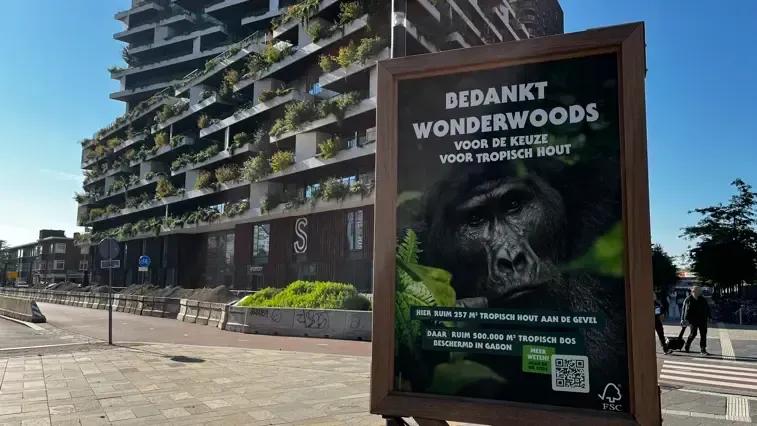
Wonderwoods in the spotlight for choosing tropical timber
FSC puts Wonderwoods in the spotlight for choosing tropical timberThis week, two 2-metre-high bus shelters made of tropical wood were installed at Wonderwoods in Utrecht. This is a thank you from FSC Netherlands to all parties involved in the realisation of Wonderwoods for their contribution to protecting tropical forests by choosing FSC-certified tropical wood for this project. The bus shelters are part of FSC Netherlands' “Hier hout, daar bos” (Wood here, forest there) campaign.Wonderwoods and FSCIn the construction of Wonderwoods, a building with 360 trees and 9,640 shrubs and plants, considerable attention was paid to sustainability. Among other things, 257m³ of FSC-certified tropical wood (Okan) was selected. According to calculations by FSC Netherlands, this will protect more than 500,000 m² of tropical forest in Gabon*. Agreements were made regarding the use of different sizes for the cladding, so that the sawmill could reuse offcuts. This ensured that the wood from the trees was used as efficiently as possible."We notice that people still too often prefer not to use tropical wood precisely in order to protect the tropical forest. But responsible timber harvesting is never the cause of deforestation. Choosing FSC-certified (tropical) wood rewards sustainable forest management. This means there is no financial need to convert the forest into land for agriculture, such as soy plantations, or livestock farming. And so the forest is preserved," says Wyke Smit, director of FSC Netherlands.To increase knowledge and awareness, information kiosks have been placed next to the bus shelters with various QR codes linking to audio clips that allow curious passers-by to learn more about tropical wood, tropical forests and FSC. The audio clips are narrated by researcher Joeri Zwerts, climate optimist Maartje Bregman and Mark Kemna of FSC Netherlands, among others.“With Wonderwoods, winner of the MIPIM Best Mixed Use Project 2025 award, we are keeping future generations in mind. By planting 1 hectare of vertical forest and working with FSC-certified wood, we are consciously choosing to use sustainable materials. It is not without reason that we are future makers. This is also reflected in our materials.” Lars van der Meulen, Director of Sustainability at VolkerWessels.“Wonderwoods sets the tone for new developments in the centre of Utrecht: green, healthy and innovative. The wood used in this sustainable development is, of course, FSC-certified and has been beautifully processed by the architects at MVSA and Boeri. Wonderwoods marks the start of Beurskwartier and shows how we want to densify Utrecht city centre in a sustainable way. Beurskwartier will be a green urban district with varied architecture and a mix of functions, where almost 10,000 people will live and work.” Marjo de Kraker, landscape architect, Utrecht city centre.Wonderwoods is an example of how to make ecological impact tangible. By consciously choosing a Lesser Known Timber Species from an FSC®-certified forest, we reduce the pressure on the most sought-after wood species and ensure that every tree trunk is used to its full potential. Shorter lengths and multiple widths were included so that the absolute minimum amount of wood was lost and recovery remained possible. In combination with Forestlines®, which achieves fire reaction class B-s1,d0 without any pre- or post-treatment, this project shows that smart material choices and intelligent design directly contribute to sustainability and ecological gains." Steven Paulussen, manager of Paulussen Houthandel."At Wonderwoods, we want to show that nature and urban development can go hand in hand. We do this not only by bringing trees and plants back into the city, but also by making responsible choices in the construction of the building. By choosing FSC-certified tropical wood, we are actively contributing to the protection of valuable forests in Gabon," says Joost Compaan, asset manager for residential properties at a.s.r. real estate.Campaign: Wood here, forest thereThe bus shelters at Wonderwoods are part of the multi-year campaign “Wood here, forest there”. With this campaign, FSC Netherlands wants to raise awareness about everyone's influence on protecting (tropical) forests. As part of this campaign, FSC launched an online knowledge platform (www.hierhoutdaarbos.nl) featuring the most frequently asked questions and beliefs about tropical wood, along with the corresponding facts and arguments. FSC's main aim is to increase awareness of our own role in forest protection. By highlighting projects such as Wonderwoods in Utrecht and, previously, the IJboulevard and the WEC, FSC hopes to inspire and motivate other organisations to follow their example.*Calculation made using the Forest Calculation Tool from FSC Netherlands: https://www.nl.fsc.org/nl-nl/newsfeed/bosberekentool-inzicht-in-belang-keuze-tropisch-fsc-hout
Utrecht selected for Pioneering Places Programme
Utrecht selected for the new global Pioneering Places ProgrammeThe World Economic Forum has selected Utrecht for its new global Pioneering Places Programme. The official launch of this one-year programme will take place during the World Economic Forum - Urban Transformation Summit in San Francisco.Utrecht, Heart of Health was selected because of its focus on a healthy society with healthy people in a healthy living environment. The impact of the Blue Zones-inspired Cartesius Utrecht neighbourhood, the approach to equal opportunities in the Overvecht neighbourhood and the car-free Merwedekanaalzone neighbourhood are of particular international interest.This includes research into effectiveness by knowledge institutions and companies.The first group of Pioneering Places consists of:·Utrecht (Netherlands): Embedding health-centric design and wellbeing in regional development.· Kuala Lumpur (Malaysia): Promoting adaptive reuse and sustainable urban renewal.· Medellín (Colombia): Expanding smart water systems and inclusive infrastructure.· Montréal (Canada): Accelerating circularity to strengthen local character.· Nairobi (Kenya): Realising large-scale, community-oriented affordable housing and services.· San Francisco (USA): Promoting climate resilience and waterfront revitalisation. Over the next 12 months, these pioneers will work together to translate global principles into local action. They will do this through shared learning, collaboration and leadership to create better communities.This is a defining moment for the World Economic Forum's Davos Baukultur Alliance, demonstrating how global ambition and local leadership come together to deliver sustainable quality and impact in the places where we live and work.
The billion-pound biotech business
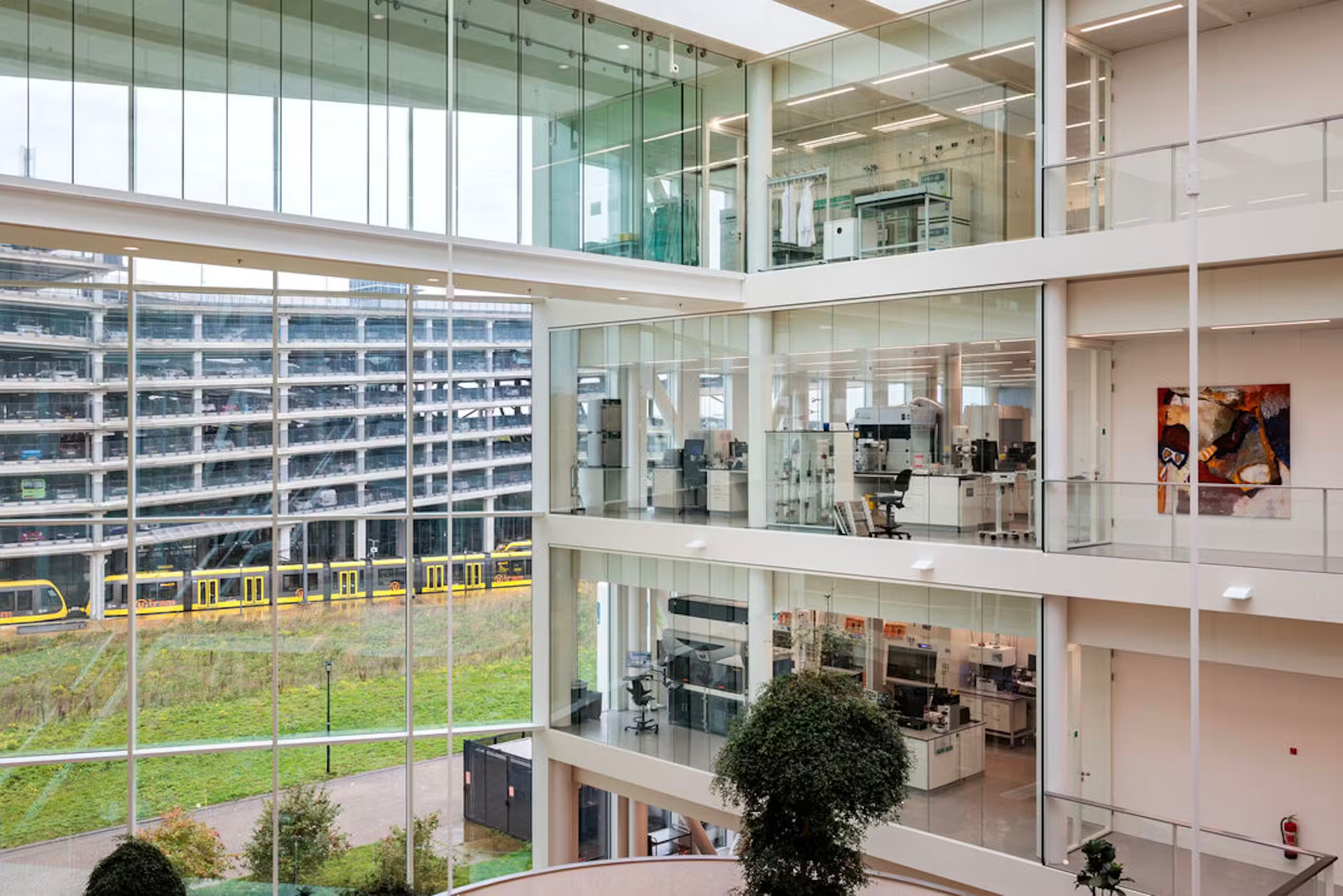
Biotech: a billion-dollar business. Utrecht Science Park is almost a city in itself.In brief· Genmab acquires biotech company Merus for $8 billion, the largest Dutch deal in the sector ever.· Both companies are located at Utrecht Science Park, which employs over 30,000 people.· Genmab's CEO emphasises the combined strength of companies and knowledge institutions in Utrecht.It is the largest acquisition ever in Dutch biotech: Genmab acquires Merus for $8 billion. Where are these two companies based? In Utrecht. The FD visits the Science Park there. 'Drug development cannot take place in isolation.'Photo: The Genmab building at Utrecht Science Park. (C) Ramon van Flymen for the FD
‘Through collaborations, we make an impact inside and outside the pitch’
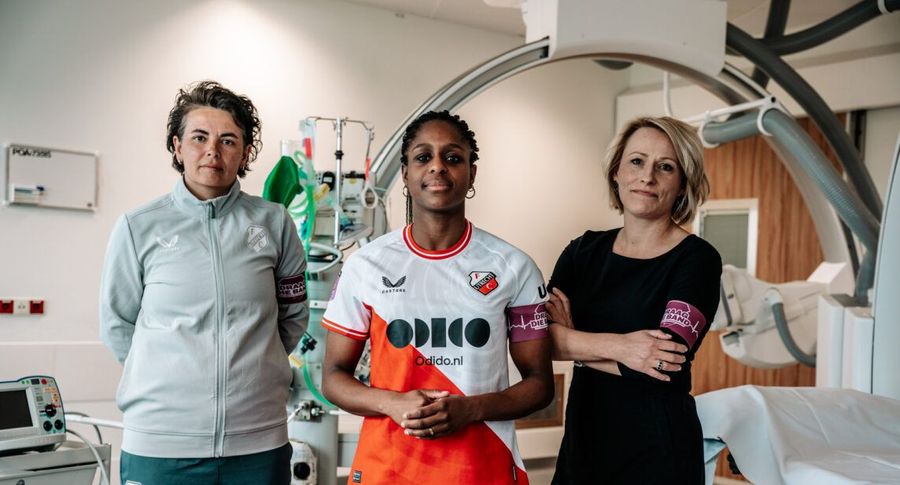
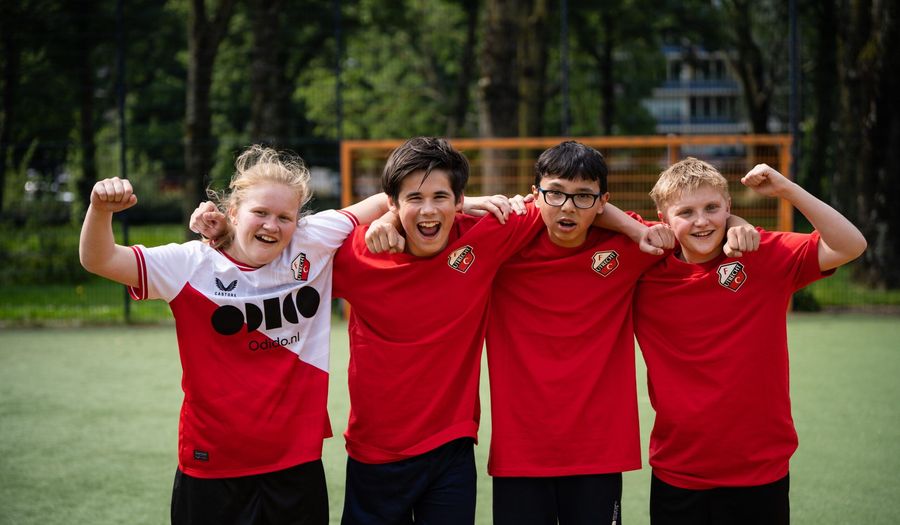
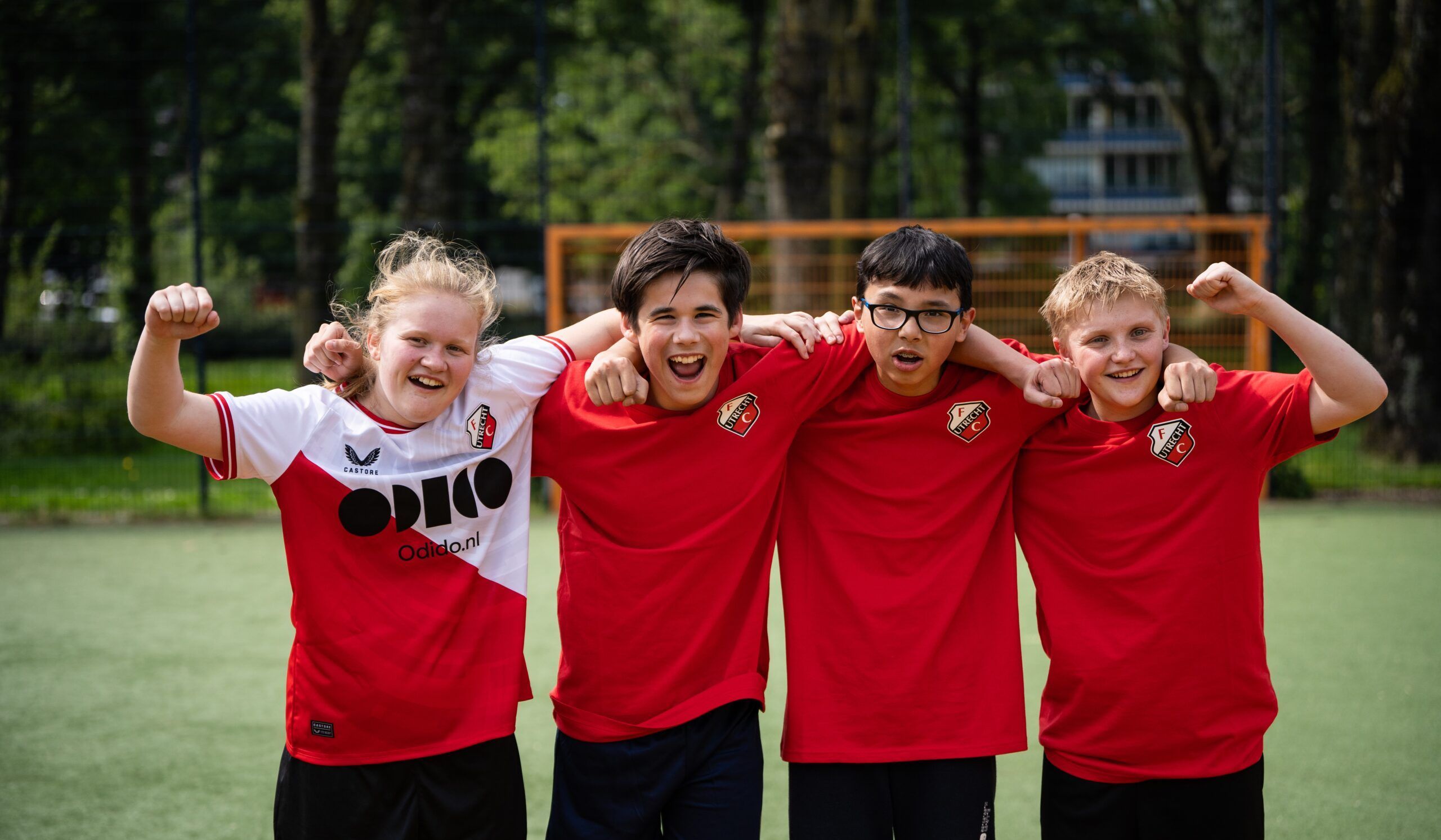
‘Through collaborations, we make an impact inside and outside the pitch’Whoever thinks of football in Utrecht thinks of FC Utrecht. The club in the heart of the Netherlands is much more than that. In the middle of Utrecht, Heart of Health, the club contributes to a vital and healthy region. “Through our innovation platform FC Utrecht Next, starting companies can try out their innovations in the field of sports, health and exercise. Our stadium and the area around us is one big ‘living lab’.”Within FC Utrecht Next, the club collaborates with knowledge institutions, the government and companies. “We offer start-ups, students and young professionals a stage to debut and grow. With us you can experiment,” says Sonny van Kranenburg, Manager Brand Activation. During The Pitch event, start-ups present their plans. For example, Swappsport introduces people to different sports, Sport-Planner gets people moving, Mr. Fill makes smart litter bins to combat litter worldwide and the Lees Simpel App turns difficult texts into understandable language. “Together we form a coalition that wants to take the next step, the next level. With this initiative, we want to create a leading example in the field of innovation and cooperation.”SportcampusThe cooperation FC Utrecht seeks sets the club apart from other clubs in the region. “Companies that normally work individually work together because we throw up a ball. For example, we work with five top clubs around us in Sportcampus Traiectum on healthy urban living. It is a breeding ground for sports and vitality. There we bring talents, athletes and coaches together, among other things. But we also do research on sports, exercise and vitality.”Positive influence“As a soccer club in Utrecht, Heart of Health, we want to contribute to a more vital and healthy environment,” Van Kranenburg continued. “Through our strong brand, we can have a positive influence. We can reach and connect people. In our stadium, everyone from society comes together.”Meaningful changeUMC Utrecht is also a loyal partner. “Under the banner of ‘Wear that Band,’ we are creating awareness about measuring blood pressure,” says Dr. K. K., who is a member of the group. High blood pressure is one of the risk factors for cardiovascular disease. On several occasions, captains wore a special “Wear that Band!” captain’s band to encourage people to measure their blood pressure annually. Van Kranenburg knows the collaboration makes meaningful change. “It touches me when a tough truck driver tells me he likes to have his blood pressure tested for his club, especially after losing a friend himself. That shows how valuable it is to spread the knowledge of UMC Utrecht.”Social connectionBut the club also has social connection high on its agenda. “As a club at the heart of society, we know how sport can fraternize. At matches, 20,000 people sit here with the same feeling. We don’t know each other, and together we form a unit.” To connect even more people, the club organizes, for example, a big Christmas dinner in Stadion Galgenwaard for lonely Utrechters at Christmas. By celebrating Christmas together they don’t feel alone. That contributes to good social fitness. “A lady of 100 years sends us an e-mail months in advance that she is looking forward to it. Nowadays she brings her friends from the nursing home. Wonderful!”Footballers as role modelsThe association also succeeds in inspiring young people by using soccer players as role models. For example, players explain to children at elementary school the importance of drinking water every day. “In the class where the soccer players drew attention to this, more water was drunk months later than in the class where the teacher talked about this. That’s the power of an athlete as a role model.”Heart of the neighborhoodFurthermore, the club moves into the neighborhood for positive social change. With FC Utrecht in de Wijk, the club embraces an amateur club in the region. “Together we are looking at how the club can become the heart of the neighborhood. A clubhouse where local residents feel comfortable. A place where young people can develop their talents.” Sports events, workshops and educational programs are also part of this project.Building togetherThe mix of sport, knowledge, expertise and network, according to Van Kranenburg, is a powerful tool to make an impact on society, both inside and outside the soccer field. Through all the initiatives, the club hopes to show other places in the world that you can achieve more together than alone. “We really do it as a team, just like with soccer. Alone you go fast, but together you get further. Of course everyone does it in their own way, but together we contribute to the big picture. Together we build a place where we live long in good health, have fun together and leave the region beautiful for future generations.”
Jaarbeurs – world leader in sustainability
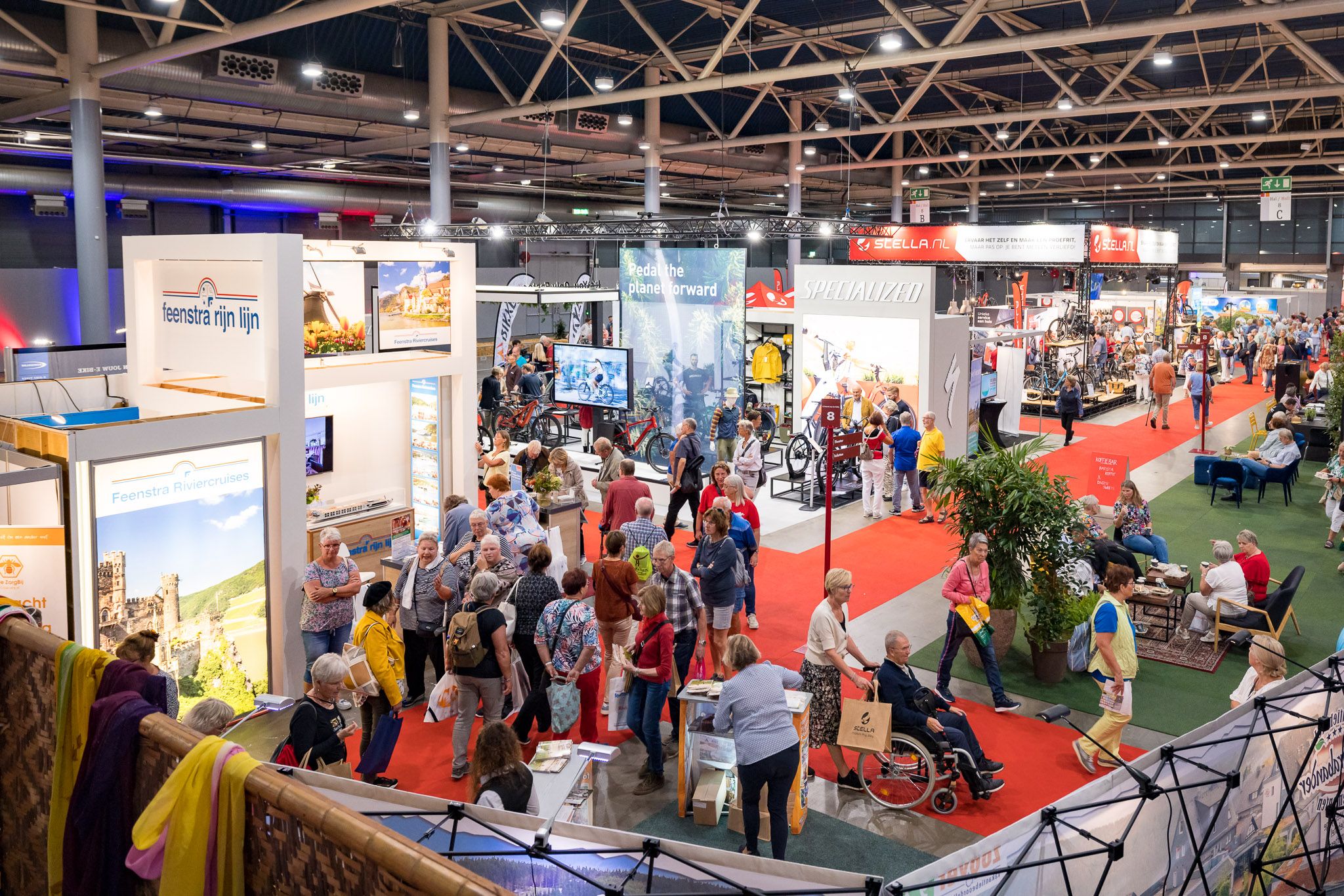
Jaarbeurs – world leader in sustainabilityJaarbeurs is the largest Exhibition and Conference venue in the Netherlands, located right in the heart of Utrecht. With four separate conference centres, a theatre and an Exhibition Centre spread over 11 halls covering about 100,000 m², the venue is home to some of world’s most exciting and varied trade fairs, corporate events, meetings, concerts, and festivals.With the 2.3 million guests Jaarbeurs hosts on a yearly basis and a clear focus on sustainability, the positive environmental and societal impact such a large venue can make – and by extension that of the events they host – is significant.A clear strategic visionAs proud and involved residents of the Utrecht region, Jaarbeurs aims to be the most sustainable conference and events venue in Europe. To achieve this vision, the team has set some pretty bold objectives.Even more, the hardworking team is well on its way to achieving these goals thanks to the strategic vision implemented by Chief Sustainability Officer Marloes van den Berg. The strategic plan encompasses various themes including sustainable employment, sustainable business and operations, and social responsibility.Aim to be Climate neutral by 2030Jaarbeurs is set to achieve 50% carbon neutrality by in the next two years. And by 2030, they aim to not just be carbon neutral, but to become climate positive. From zero waste initiatives to cradle-to-cradle design, there is not a single facet of the event industry that the team has not taken into account when it comes to achieving carbon neutrality. Other examples of projects that contribute to their sustainability ambitions are the development of the Jaarbeurs Live App to stimulate digital communications, looking into more efficient visitor flows and logistics and the installation of solar panels on the rooftop of the large venue.In regards to the hospitality side of the business, Jaarbeurs has made a conscious choice to focus on quality. Their menu consists of mainly vegetarian options, and uses locally sourced food that is cooked to order, in order to use fresh produce as efficiently as possible and avoid waste. By introducing a 90% vegetarian-based menu in their restaurants and hospitality packages consisting of at least 80% vegetarian options for conferences, Jaarbeurs has already been able to cut CO2 emissions by 500 tonnes. In addition, a smart waste management system means the team can investigate even better separation of waste flows. A composting machine for kitchen scraps allows them to make their own compost, which, in the future, will be used to grow their own vegetables to complete the circular approach. Jaarbeurs also hopes to open up the use of the composting machine to the citizens of Utrecht in the future, so the whole neighbourhood can enjoy it.Support Local InitiativesJaarbeurs acknowledges its role as an influential partner of Utrecht, to create a place with a focus on healthy urban living. The many local initiatives they support are varied, ranging from donating laptops to fellow Utrecht residents to giving disadvantaged youths the opportunity to intern at Jaarbeurs.Sustainable Trade shows and eventsFinally, Jaarbeurs has made it their mission to accelerate sustainable growth within all key industries and sectors it is active in via trade shows and events (healthcare, education, construction and IT). By actively helping to drive sustainable ambitions, they make sure to give start-ups and scale-ups, with a focus on sustainability, a podium to showcase themselves at trade shows. Furthermore, Jaarbeurs awards companies with the most sustainable products or stands. And the subject of sustainability is always considered when scheduling the keynotes and speakers in the content programmes of its own events.Thanks to their central location right next to the national train station hub, in the heart of Utrecht, it makes sense to promote travel by public transport. Collaborating with local suppliers who are able to combine deliveries to Jaarbeurs and other local organisations is another great way of reducing food miles and keeping emissions down.UFI Sustainable Development AwardSince 2019, Jaarbeurs has been able to save an enormous amount of CO2 through its various sustainability efforts. Solar panels power much of their facilities and they have eliminated the need for paper maps by developing their own smartphone app. Close to 178,000 meals were saved through careful meal planning and local partnerships.Aside from the aforementioned ‘greener menu’, Jaarbeurs has implemented a new way to reduce even more garbage. Thanks to their smart waste bin system, which tracks the amount of green wastage (swirl), they can make smarter purchasing choices are set to save up to 221,763kg of CO2 in 2023 alone. Unsurprisingly, these Food and Food Waste projects have led to Jaarbeurs winning the 2022 UFI Sustainable Development Award for Best Carbon Emission Reduction Initiative.For each event hosted within the Jaarbeurs venue – large and small – they have committed to plant a tree via their partner Trees for All. An average year can see them planting up to 8,800 trees, which equals a further 588,000kg of CO2.This all goes to show that small changes really can have a huge impact. Especially when you welcome 2.3 million visitors a year.
Events
Sat – Tue
19–22
Sep 2026
Inner Ear Biology
TivoliVredenburg
Tue – Wed
22–23
Sep 2026
Bringing Urban Rivers Back to Life Conference
Bar Beton, Utrecht
Fri – Sun
25–04
Sep – Oct 2026
Utrecht Science Week 2026
Utrecht Science Park








.svg)





.svg)
.svg)
.svg)
%20(1).svg)
.svg)
.svg)

.svg)


.svg)

.png)
.svg)